
Mahabaleshwar, often hailed as the “Queen of Hill Stations” in Maharashtra, is more than just a tourist paradise of misty peaks, strawberry farms, and lush valleys. It holds a sacred and geological marvel — the origin of five significant rivers: Krishna, Koyna, Venna, Savitri, and Gayatri. These rivers are not only the lifelines of western Maharashtra but also carry immense spiritual, ecological, and cultural importance.
In this detailed article, we will journey through Mahabaleshwar’s divine geography, the science and spirituality behind its rivers, its natural bounty, and how tourism, hotels, and local farming continue to shape this enchanting hill station.

1. The Sacred Origin: Where Five Rivers Are Born
At the heart of Mahabaleshwar lies the ancient Panchganga Temple, an architectural wonder dedicated to Lord Shiva. This is the spot where five rivers—Krishna, Koyna, Venna, Savitri, and Gayatri—originate from the mouth of a stone cow (known locally as the “Gomukh”).
The Five Rivers and Their Significance
| River Name | Direction of Flow | Major Regions Covered | Spiritual/Environmental Significance |
| Krishna River | Eastward | Maharashtra, Karnataka, Telangana, Andhra Pradesh | Major water source for South India, revered as sacred as Ganga. |
| Koyna River | Southward | Western Ghats, Satara District | Feeds the Koyna Dam; essential for hydroelectric power generation. |
| Venna River | Westward | Mahabaleshwar, Panchgani | Source of local water supply; picturesque boating spot. |
| Savitri River | Westward | Mahabaleshwar to Raigad District | Flows toward the Arabian Sea; vital for Konkan agriculture. |
| Gayatri River | Eastward | Merges into Krishna | Represents purity and feminine divinity in Hindu beliefs. |
The Spiritual Legend
According to Hindu mythology, Lord Brahma, Lord Vishnu, and Lord Shiva collectively blessed this region, making it the origin of these rivers. The Krishna River is said to have sprung from Lord Vishnu himself, while the others—Koyna, Venna, Savitri, and Gayatri—are considered to be its divine tributaries born from different deities.
Every year, pilgrims visit the Panchganga Temple to witness this sacred confluence, offering prayers and collecting holy water believed to possess purifying properties.
2. Geographical and Environmental Importance
Beyond mythology, the birth of these rivers has strong geological and ecological foundations. Mahabaleshwar’s high altitude (1,353 meters above sea level) and basaltic plateaus of the Western Ghats create a unique watershed that collects monsoon rains and channels them into multiple river basins.
Key Environmental Features
| Feature | Description |
| Rainfall | Receives over 7,500 mm annually, one of the highest in India. |
| Topography | Undulating plateaus with lateritic soil, facilitating natural drainage. |
| Vegetation | Evergreen and semi-evergreen forests that help in water retention. |
| Biodiversity | Home to rare flora and fauna, contributing to river ecosystem health. |
This hydrological setup ensures that Mahabaleshwar acts as a natural water reservoir, distributing water to multiple states. The Krishna River alone sustains millions of people across peninsular India, underlining the region’s importance as an ecological lifeline.
3. The Role of Mahabaleshwar in Modern Travel and Tourism
3.1 The Perfect Destination for Travelers
Today, Mahabaleshwar is not only a spiritual and ecological hotspot but also one of India’s top travel destinations. Travelers from Mumbai, Pune, and beyond flock here for its panoramic viewpoints, cool climate, and serene lakes.
Popular attractions include:
- Arthur’s Seat – Known as the “Queen of Points.”
- Elephant’s Head Point – Natural rock formation resembling an elephant’s trunk.
- Venna Lake – Ideal for boating and lakeside picnics.
- Mapro Garden – Famous for strawberries and fruit-based products.
- Pratapgad Fort – A historical gem offering sweeping valley views.
4. Mahabaleshwar’s Connection to Farming and Berry Cultivation
4.1 The Birthplace of Strawberry Farming in India
Mahabaleshwar is synonymous with strawberry farming, producing over 85% of India’s strawberries. The British introduced the crop in the 19th century due to the region’s cool climate and rich soil, and today it thrives as both an agricultural and tourism-based industry.
4.2 The Farming Ecosystem
| Crop Type | Harvest Season | Special Feature |
| Strawberry | November–March | GI-tagged fruit known for its sweetness |
| Raspberry | December–February | Used in jams and syrups |
| Mulberry | January–April | Popular for desserts and local wines |
| Corn & Carrots | All year round | Cultivated on rotational basis for soil health |
The Mahabaleshwar Strawberry Festival, held annually, draws thousands of visitors who get to pick strawberries directly from farms, indulge in fresh cream desserts, and explore local berry farming techniques.
4.3 Sustainable Farming Practices
Local farmers are adopting eco-friendly and organic techniques to reduce soil erosion and maintain biodiversity. The presence of the five rivers ensures fertile soil and an abundant water supply, which sustains agriculture even in dry months.
5. The Changing Seasons of Mahabaleshwar: A Cycle That Sustains Rivers and Life
Mahabaleshwar’s unique climatic rhythm plays a critical role in nurturing its rivers, farming, and ecosystem. The region’s rainfall patterns, temperature, and humidity collectively determine the flow and fertility of the five rivers that originate here.
Seasonal Overview
| Season | Months | Highlights | Impact on Rivers & Tourism |
| Summer | March – June | Warm but pleasant; best for sightseeing | Rivers shrink slightly but remain active due to groundwater reserves |
| Monsoon | June – September | Heavy rainfall (7,000+ mm annually) | Rivers swell, waterfalls flourish, eco-tourism thrives |
| Winter | October – February | Cool and misty; strawberry season | Ideal for travelers, hotels fully booked, and farming peaks |
5.1 The Monsoon Miracle
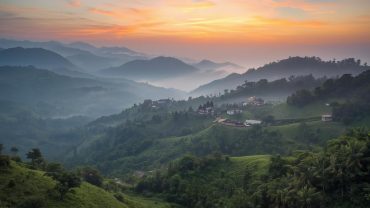
The monsoon is Mahabaleshwar’s lifeblood. The entire plateau transforms into a green paradise with cascading waterfalls and mist-covered valleys.
During this period, the rivers Krishna, Koyna, and Venna surge with renewed vitality, replenishing reservoirs downstream. Tourists who visit during monsoon are often treated to mesmerizing sights of Lingmala Waterfall, Dhobi Waterfall, and Chinaman’s Falls, where nature’s power is on full display.
5.2 The Winter Bloom
From November to March, the air turns crisp, and strawberry farming takes center stage. The rivers maintain steady flow rates, ensuring optimal irrigation. This is the season when travelers throng to Mapro Garden, Laxmi Strawberry Farm, and Lingmala Viewpoint — a time when Mahabaleshwar feels both serene and alive.
6. Impact of the Five Rivers on Mahabaleshwar’s Development
The rivers born in Mahabaleshwar have influenced nearly every aspect of its evolution — from agriculture to tourism and infrastructure.
6.1 Hydroelectric and Agricultural Development
The Koyna River, in particular, is central to the Koyna Hydroelectric Project, one of India’s largest dam-based power projects. This has not only ensured stable electricity supply across Maharashtra but also created employment opportunities for nearby communities.
The Krishna River basin supports extensive agriculture — sugarcane, fruits, and vegetables — benefiting thousands of farmers downstream. Without Mahabaleshwar’s natural water sources, this economic structure would not exist.
6.2 Tourism Infrastructure
Because of its rivers and abundant natural beauty, Mahabaleshwar has become a year-round travel hub. Investments in:
- Road connectivity (from Pune, Mumbai, and Satara),
- Eco-lodges and hilltop villas, and
- Online hotel booking platforms
have led to a surge in tourism-based income. Local homestays and villas are increasingly preferred by travelers seeking authentic hill-station experiences.
7. Adventure and Eco-Tourism in Mahabaleshwar
The five rivers create an ideal setting for eco-tourism and adventure trips. Their presence enriches the landscape, offering both serenity and thrill.
7.1 Activities for Travelers
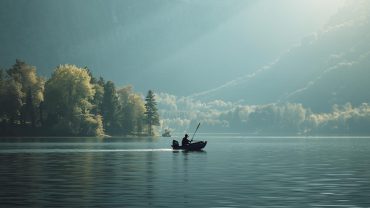
- Boating at Venna Lake – Calm waters and scenic views attract thousands daily.
- Trekking Trails – Explore routes leading to Arthur’s Seat, Wilson Point, and Connaught Peak.
- Nature Walks – Along riverbanks and forest trails filled with exotic birds.
- Camping – Riverside camping is growing in popularity near Tapola, the “Mini Kashmir of Maharashtra.”
- Photography Expeditions – Capture sunsets, fog layers, and river reflections.
7.2 Sustainable Tourism Initiatives
Local administrations have introduced several eco-friendly measures:
- Banning plastic use within park limits.
- Encouraging rainwater harvesting in hotels and villas.
- Promoting organic farms that double as tourist attractions.
The goal is to make Mahabaleshwar an eco-model hill station, balancing human pleasure with environmental preservation.
8. The Mahabaleshwar Experience: For Every Kind of Traveler
Mahabaleshwar caters to a diverse range of travelers. Whether you’re a spiritual pilgrim, adventure lover, or leisure tourist, there’s something for everyone.
| Traveler Type | Recommended Activities | Suggested Stay Options |
| Nature Lover | Trekking, waterfalls, photography | Forest-view resorts |
| Family Traveler | Boating, Mapro Garden, local market | Mid-range hotels near Venna Lake |
| Couples/Honeymooners | Sunset points, villas, spa retreats | Luxury resorts and hill villas |
| Adventure Enthusiast | Camping, paragliding, river trekking | Eco-lodges near Tapola |
| Spiritual Seeker | Panchganga Temple, ancient caves | Peaceful homestays and yoga centers |
9. The Symbolism of the Rivers
In India, rivers are often seen as living deities, and Mahabaleshwar’s five rivers symbolize the unity of nature and divinity.
- Krishna: Represents preservation and eternal flow.
- Koyna: Symbol of strength and energy (power generation).
- Venna: Embodies calmness and life’s simple joys.
- Savitri: Associated with compassion and nourishment.
- Gayatri: Stands for purity and enlightenment.
Their origins remind travelers and devotees alike that nature and spirituality coexist harmoniously in Mahabaleshwar’s hills.
Conclusion
Mahabaleshwar is far more than a scenic escape; it’s a living ecosystem, a sacred geography, and a thriving cultural hub. From giving birth to five powerful rivers — Krishna, Koyna, Venna, Savitri, and Gayatri — to nurturing India’s sweetest strawberries, Mahabaleshwar blends nature, spirituality, and modern tourism seamlessly.
Whether you’re booking a hotel for a family vacation, exploring villas near the hills, or embarking on a spiritual journey to the Panchganga Temple, Mahabaleshwar offers an unforgettable connection between earth, water, and soul.
FAQs
1. Why is Mahabaleshwar called the birthplace of five rivers?
Because five rivers — Krishna, Koyna, Venna, Savitri, and Gayatri — originate from a single spot inside the ancient Panchganga Temple in Mahabaleshwar.
2. Which is the main river that originates from Mahabaleshwar?
The Krishna River is the primary river, flowing across multiple Indian states before merging with the Bay of Bengal.
3. What are the best months to visit Mahabaleshwar?
October to May offers pleasant weather, strawberry festivals, and outdoor activities. Monsoon months (June–September) are great for lush scenery but can limit travel.
4. Is Mahabaleshwar good for farming?
Yes, Mahabaleshwar is famous for berry farming, particularly strawberries, thanks to its rich soil, cool climate, and consistent water supply from the rivers.
5. How can travelers book hotels or villas in Mahabaleshwar?
Through online platforms like MakeMyTrip, Booking.com, or directly from resort websites. Many offer packages combining stay, farm tours, and sightseeing.
References and Links
- Government of Maharashtra Tourism – https://maharashtratourism.gov.in
- Mapro Garden Official Site – https://mapro.com
- India Water Portal: Krishna River Basin Report – https://indiawaterportal.org
- Eco Tourism India – https://ecotourismindia.org
- Official Booking Website – https://gomahabaleshwar.com
Comment (0)