
🌄 Introduction: Where the Gods Descend to Earth
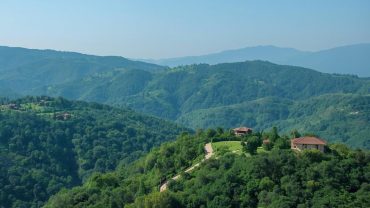
Nestled in the verdant folds of the Western Ghats, Mahabaleshwar isn’t just a hill station—it’s a legend etched in myth and mist. With a name that translates to “God of Great Power,” this captivating destination has been the summer retreat of kings, colonial officers, and now, travelers seeking solace in its strawberry-scented air and spectacular vistas. From its five sacred rivers to its panoramic viewpoints that seem to touch the sky, Mahabaleshwar weaves together spirituality, nature, and history into an unforgettable tapestry. More than just a weekend getaway, it’s an experience that awakens the senses and soothes the soul.

🍓 1. The Strawberry Capital of India: A Sweet Symphony
Why It’s Unique:
Mahabaleshwar isn’t just famous for its views—it’s India’s undisputed strawberry hub, producing over 85% of the country’s strawberries. The cool climate, fertile soil, and organic farming traditions make these berries uniquely sweet and aromatic.
Must-Experience:
- Mapro Garden: The iconic brand’s sprawling garden where you can pluck strawberries, taste fresh cream with berries, and shop for preserves, crushes, and syrups.
- Strawberry Festivals: Held between March and April, celebrating everything from strawberry picking contests to culinary delights.
- Local Farms: Many farms offer “pick-your-own” experiences, perfect for families and foodies.
Pro Tip: Visit between November and April for the freshest harvest and vibrant strawberry-themed everything—from ice creams to wines.
⛰️ 2. Viewpoints That Steal Your Heart (and Breath)
Mahabaleshwar is home to over 30 stunning viewpoints, each offering a unique perspective of the lush valleys, dramatic gorges, and distant peaks.
Top Picks:
- Arthur’s Seat: Named after Sir Arthur Malet, this spot offers a breathtaking view of the Savitri River gorge and the Jor Valley. Legend says it was his favorite place to mourn his wife.
- Wilson Point: The highest point in Mahabaleshwar and the only spot where you can witness sunrise from three different angles. A favorite for early birds and photographers.
- Kate’s Point: Known for its stunning views of the Dhom Dam backwaters and the lush green valley—especially magical in the monsoon.
- Elephant’s Head Point: Resembling an elephant’s trunk and head, this viewpoint overlooks the dramatic Sahyadri hills and is most popular at sunset.
🛕 3. Temples and Spirituality: Where Faith Flows
Mahabaleshwar isn’t just a natural wonder—it’s deeply spiritual, home to ancient temples that attract thousands of pilgrims.
Key Spiritual Sites:
- Panchganga Temple: The most sacred site in Mahabaleshwar, where five rivers—Krishna, Venna, Savitri, Koyna, and Gayatri—are believed to converge. The temple houses a Shiva lingam that continuously flows with water.
- Pratapgad Fort: Not just a historical marvel, but also home to the Bhavani Temple, where Shivaji Maharaj famously defeated Afzal Khan.
- Krishnabai Temple: A serene spot overlooking the Krishna River valley, dedicated to Goddess Krishna and Lord Shiva.
- Old Mahabaleshwar Temple: An ancient, architecturally rich temple dedicated to Lord Shiva, surrounded by untouched natural beauty.
🚶♂️ 4. Nature Trails and Hidden Gems
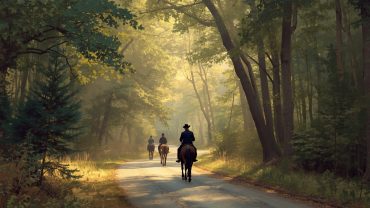
For those who want to step beyond the tourist trail, Mahabaleshwar offers serene walking paths, dense forests, and hidden waterfalls.
Best Experiences:
- Lingmala Waterfall: Cascading from a height of 600 feet, this waterfall comes alive during the monsoon, surrounded by a flower-filled garden.
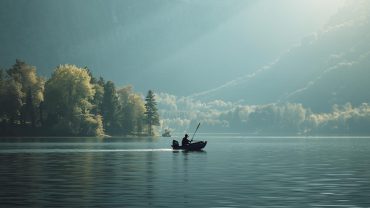
- Venna Lake: The heart of Mahabaleshwar’s recreation—enjoy boating, horse riding, or simply a quiet walk along its perimeter.
- Elphinstone Point: Named after the British Governor, this serene spot is perfect for solitude and birdwatching.
- Babbington Point: Known for its peaceful vibes and views of the Savitri Valley—less crowded and ideal for reflection.
🍽️ 5. Culinary Delights: Beyond Strawberries
While strawberries steal the spotlight, Mahabaleshwar’s food scene is rich, rustic, and rooted in local flavors.
What to Savor:
- Corn Patties and Bhajjis: Hot, spicy, and perfect for chilly evenings.
- Local Maharashtrian Thalis: Hearty meals with varan bhat, amti, and sol kadhi.
- Fresh Honey and Jams: Sourced from local apiaries and farms.
- Chikki and Fudge: Classic hill station sweets, available in countless flavors.
- Parsi Cuisine: Try traditional berry pulao and dhansak at select eateries.
Top Eateries:
- Grapevine Restaurant for multi-cuisine with a view.
- The Bakehouse for fresh pastries and coffee.
- Local stalls near the market for authentic street food.
🏞️ 6. The Magic of Monsoon
While most visit in summer, Mahabaleshwar in the monsoon is a completely different world. Mist-clad hills, roaring waterfalls, and emerald greenery transform it into a paradise.
Monsoon Must-Dos:
- Drive through clouds on the old Mahabaleshwar road.
- Witness waterfalls like Chinaman’s Falls in full flow.
- Sip hot chai with bhajjis at a roadside stall while watching the rain.
- Experience the thrill of walking through fog so thick you can barely see ahead.
Caution: Landslides can occur; always check weather and road conditions.
🛍️ 7. Souvenirs and Local Shopping
Take a piece of Mahabaleshwar home with you from its bustling markets.
Best Buys:
- Strawberry Products: Jams, syrups, wines, and chocolates from Mapro, Mala’s, or local brands.
- Walking Sticks: Hand-carved from local wood.
- Local Artifacts: Handmade crafts, woolens, and decorative items.
- Fresh Produce: Strawberries, mulberries, and fresh honey from farm stalls.
Shopping Hubs: Main Market, Mapro Garden, and roadside stalls along the Panchgani-Mahabaleshwar route.
🏨 8. Staying in Style: From Heritage to Homestays
Whether you seek luxury, history, or homely comfort, Mahabaleshwar has accommodations for every traveler.
Top Picks:
- Luxury: The Fern Hotels, Evershine Paradise, or luxurious cottages with valley views.
- Heritage: Old colonial-era bungalows and resorts that preserve old-world charm.
- Budget & Homestays: Cozy family-run homestays offering local hospitality and home-cooked meals.
Booking Tip: Book well in advance for weekends and holiday seasons.
🌿 9. Eco-Tourism and Sustainability
Mahabaleshwar is embracing sustainable tourism to preserve its fragile ecosystem.
Initiatives to Support:
- Plastic-free zones: Many areas have banned plastic; carry reusable bags.
- Organic farms: Support local farmers practicing sustainable agriculture.
- Nature conservation programs: Participate in guided eco-walks and bird-watching trails.
Travel Responsibly:
- Avoid littering, especially at viewpoints.
- Use authorized guides for treks.
- Respect wildlife and natural habitats.
📅 10. When to Visit and How to Plan
Best Time to Visit:
- October to June: Pleasant weather, ideal for sightseeing.
- March to May: Peak strawberry season.
- July to September: Monsoon magic, but be prepared for rain.
Getting There:
- Nearest Airport: Pune (120 km away).
- Nearest Railway Station: Wathar (60 km) or Pune.
- By Road: Well-connected via Mumbai-Pune-Bangalore highway; scenic drives through ghats.
Ideal Duration: 3–4 days to cover viewpoints, temples, farms, and relaxation.

✅ Conclusion: More Than a Hill Station—A Feeling
Mahabaleshwar doesn’t just offer beautiful sights—it offers beautiful moments. Whether you’re watching the sunrise from Wilson Point, tasting sun-warmed strawberries straight from the vine, or standing silently at an ancient temple where rivers begin their journey, this hill station stays with you long after you’ve left.
It’s a reminder of nature’s grandeur, history’s depth, and the simple joys of slowing down. In a world that’s always rushing, Mahabaleshwar whispers: pause, breathe, and behold.
Pack your bags, but leave room for strawberries—and memories. Because in Mahabaleshwar, every view is a postcard, every path a story, and every visit a return to something sacred.
Comment (0)