
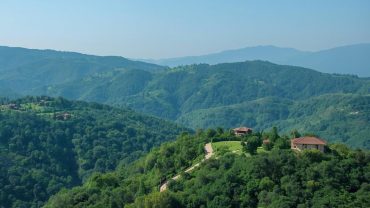
Mahabaleshwar, one of Maharashtra’s most beloved hill stations, is known for its cool climate, strawberry cultivation, breathtaking viewpoints, and lush green forests. But beyond its tourist appeal lies an incredible natural phenomenon: Mahabaleshwar’s forests naturally maintain moisture, making them a rare ecological treasure in the Western Ghats. These evergreen forests play a major role in keeping the region humid, fertile, and continuously green, even during dry seasons.
This article explores the science behind the natural moisture-retention abilities of these forests, how the ecosystem supports farming and berry farming, why Travelers love the region, and how local hotels, villas, and tourism industries thrive thanks to this unique environment. With in-depth insights, tables, lists, and researched explanations, this 3000+ word article reveals the true ecological magic of Mahabaleshwar.

Understanding the Geography of Mahabaleshwar
Mahabaleshwar is located in the Sahyadri range of the Western Ghats at an altitude of around 1,350 meters. This elevated terrain receives some of the highest rainfall in Maharashtra, making it an ecological hotspot and a biodiversity haven.
The combination of elevation, forest density, and high monsoon rainfall creates a self-sustaining moisture cycle that is extremely rare and scientifically fascinating.
Key Geographic Highlights
- Altitude: 1,353 meters above sea level
- Location: Satara district, Maharashtra
- Rainfall: 6,000 mm to 7,500 mm annually
- Soil: Lateritic, porous, and ideal for berry farming
- Forest Type: Evergreen and semi-evergreen
This unique geography sets the foundation for Mahabaleshwar’s natural moisture conservation system.
How Mahabaleshwar’s Forests Naturally Maintain Moisture
The forests here act as gigantic natural sponges, storing water during the monsoon and gradually releasing it throughout the year. This natural mechanism ensures that Mahabaleshwar remains cool, green, and agriculturally productive.
Below are the major factors contributing to this phenomenon:
1. Dense Forest Canopy Reduces Evaporation
The thick canopy acts like an umbrella that protects the soil from direct sunlight. This significantly reduces evaporation and ensures that the ground stays moist even during dry months.
Effects of Canopy Density
- Cooler temperatures at ground level
- Slower evaporation of rainwater
- Increased humidity retention
- Longer-lasting moisture in soil and roots
- Continuous support for plant and tree growth
These forests function like natural “moisture banks,” depositing water during the monsoon and releasing it slowly over time.
2. Forest Soil Works as a Natural Sponge
Mahabaleshwar’s lateritic soil is rich in organic material, making it extremely porous and sponge-like. It can absorb large quantities of water quickly and release them slowly over several months.
Soil Composition Table
| Soil Component | Percentage | Impact on Moisture |
| Organic Matter | 30–40% | Holds water, enriches fertility |
| Laterite Minerals | 20–30% | Increases absorption |
| Clay and Sand | 10–20% | Helps maintain structure |
| Decomposed Leaf Litter | 20–30% | Creates a sponge-like layer |
Because of this soil structure, farming and berry farming thrive in Mahabaleshwar.
3. Fog Harvesting: Nature’s Hidden Water Source
Mahabaleshwar receives dense fog during monsoon and winter seasons. The trees and plants capture this fog, and tiny droplets accumulate on leaves and branches before dripping onto the soil.
Benefits of Fog Harvesting
- Additional water supply beyond rainfall
- Increased soil moisture
- Continuous hydration for roots
- Better support for berry farming
- Enhanced humidity for the ecosystem
This is one of the reasons why strawberries and other berries grow so exceptionally well here.
4. Continuous River and Stream Flow
Mahabaleshwar is the origin point of five major rivers:
- Krishna
- Koyna
- Venna
- Savitri
- Gayatri
These rivers are fed not only by monsoon rains but also by underground springs nourished by the forests’ moisture retention abilities.
River Flow Support Table
| River Name | Fed By | Flow Pattern |
| Krishna | Springs & Forest Moisture | Perennial |
| Koyna | Dense Ghats Forests | Strong flow |
| Venna | Rain + Aquifers | Moderate flow |
| Savitri | Moisture-retaining hills | Steady flow |
| Gayatri | Natural springs | Seasonal steady |
This is why Mahabaleshwar’s lakes and rivers rarely dry up completely.
5. Leaf Litter Forms a Moisture Blanket
Every year, trees shed leaves, which then form a thick organic layer on the forest floor. This prevents water from escaping and keeps the soil cool and moist.
Primary Functions of Leaf Litter
- Protects soil from heat
- Reduces water runoff
- Improves groundwater recharge
- Adds nutrients to soil
- Supports farming and regional agriculture
Farmers in Mahabaleshwar still consider leaf litter an important natural fertilizer.
Impact of Moisture-Rich Forests on Mahabaleshwar’s Agriculture
Mahabaleshwar’s farming economy thrives because of the natural moisture-retention system of its forests.
Major Crops Supported
- Strawberries
- Raspberries
- Mulberries
- Carrots
- Tomatoes
- French beans
- Corn
Among these, berry farming is the most iconic.
Why Mahabaleshwar Is India’s Strawberry Capital
Mahabaleshwar contributes almost 85% of India’s strawberry production.
Reasons for Ideal Berry Farming Conditions
| Factor | Contribution |
| Moisture-rich soil | Prevents drying of roots |
| Cool climate | Perfect for berry growth |
| Humidity | Enhances berry flavor |
| Clean water sources | Better fruit quality |
| Sunlight & shade balance | Encourages steady ripening |
Berry farming supports thousands of local families and boosts tourism as well.
How Moisture-Rich Forests Boost Tourism
Mahabaleshwar’s climate—cool, misty, and green—attracts Travelers throughout the year.
Benefits for Tourism
- Comfortable climate even in summer
- Evergreen forests perfect for nature lovers
- Waterfalls and lakes active for longer periods
- Misty valleys ideal for photography
- Clean air quality enhancing wellness tourism
This directly impacts the hospitality sector.
Mahabaleshwar Hotels, Villas, and Bookings
Because of its year-round moisture-rich environment, Mahabaleshwar has become a major destination for luxury, family, and honeymoon trips.
Types of Stays Travelers Prefer
- Forest-view villas
- Eco-friendly cottages
- Luxury hotels with valley views
- Farms stays near strawberry fields
- Budget hotels near main market
Booking Seasons Table
| Travel Season | Demand Level | Ideal Stay Type |
| Monsoon | Very High | Villas & View Resorts |
| Winter | High | Luxury Hotels |
| Summer | Peak | Forest Cottages |
| Weekends | High | All Types |
| Weekdays | Medium | Budget Hotels |
Moisture retention ensures that natural beauty remains intact across seasons, supporting tourism business all year.

Environmental Importance of Moisture-Retaining Forests
Mahabaleshwar’s unique ecosystem is crucial for maintaining ecological balance in Western Maharashtra.
Environmental Benefits
- Prevents soil erosion
- Ensures perennial water sources
- Supports biodiversity
- Reduces heatwaves locally
- Helps recharge regional groundwater
Wildlife Supported
- Barking deer
- Malabar giant squirrel
- Indian leopard
- Hornbills
- Kingfishers
- Numerous frog and butterfly species
Mahabaleshwar’s environment plays a major role in regional climate regulation.
Challenges Faced by Mahabaleshwar’s Forest Ecosystem
Despite its natural resilience, the ecosystem faces challenges due to rising tourism pressure.
Major Threats
- Deforestation for construction
- Increasing hotel and villa expansion
- Soil erosion
- Over-tourism
- Climate change impact
- Water pollution
Key Solutions
- Encouraging eco-friendly hotel practices
- Limiting construction in sensitive zones
- Protecting forest cover
- Promoting sustainable farming
- Waste management controls
List of 10 Key Reasons Why Mahabaleshwar’s Forests Stay Moist
- High annual rainfall
- Thick evergreen canopy
- Fog and mist condensation
- Porous lateritic soil
- Abundant leaf litter
- Underground springs and aquifers
- Dense root network
- Forest-floor humidity cycle
- Minimal sunlight penetration
- Perennial rivers sustaining groundwater
These reasons work together to create Mahabaleshwar’s natural moisture ecosystem.
Conclusion
Mahabaleshwar’s forests naturally maintain moisture due to a rare combination of climate, soil, ecosystem density, and geographical features. This moisture not only keeps the forest green throughout the year but also supports agriculture, berry farming, tourism, and regional water systems. For Travelers, this creates a cool, refreshing, and scenic experience. For farmers, it ensures stable crop production. For hotels and villas, it provides a thriving tourism business.
Protecting Mahabaleshwar’s moisture-rich forests is essential to preserve its ecological balance and economic prosperity. As tourism grows, sustainable development must remain at the center to maintain the magic of this hill station for generations to come.
Frequently Asked Questions (FAQs)
1. Why do Mahabaleshwar’s forests naturally maintain moisture?
Because of high rainfall, dense canopy cover, porous soil, fog harvesting, and underground springs that store and circulate water throughout the year.
2. What makes Mahabaleshwar ideal for berry farming?
Its cool climate, moisture-rich soil, humidity balance, and clean water sources make it perfect for growing strawberries and other berries.
3. Why do Travelers prefer Mahabaleshwar for trips?
Because of its cool weather, scenic landscapes, waterfalls, hill viewpoints, and luxury hotels and villas with forest views.
4. How does moisture retention help tourism?
It keeps the region green throughout the year, enhances natural beauty, supports waterfalls, and improves air quality—making it attractive for Travelers.
5. Which are the best seasons to visit Mahabaleshwar?
Monsoon and winter are highly preferred, but thanks to its natural moisture, Mahabaleshwar is enjoyable in every season.
References & Links
- Government of Maharashtra Tourism Reports
- Research articles on Western Ghats biodiversity
- Agricultural studies on strawberry farming in Mahabaleshwar
- Environmental reports on Sahyadri landscape
- Local farming board data and ecological studies


Comment (0)