
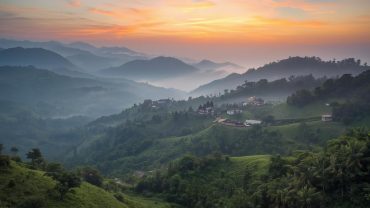
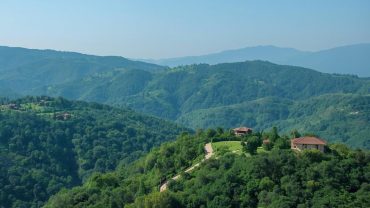
Mahabaleshwar, a picturesque hill station in Maharashtra, is known for its breathtaking landscapes, lush greenery, and rich cultural and spiritual heritage. Among its many sacred sites, the Panchganga Temple holds immense religious significance. This temple is revered as the meeting point of five holy rivers—Krishna, Venna, Savitri, Gayatri, and Koyna—making it a place of immense spiritual importance. Travelers, pilgrims, and history enthusiasts alike are drawn to this sacred confluence to seek blessings and experience the divine energy of the temple.
The History and Significance of Panchganga Temple
The Panchganga Temple in Mahabaleshwar is believed to have been constructed in the 13th century by the Yadava king, Singhandeo. Over time, several modifications and renovations were undertaken, including contributions from Maratha rulers, particularly Chhatrapati Shivaji Maharaj, who played a vital role in the temple’s upkeep.
The temple derives its name from the Sanskrit words “Panch” (meaning five) and “Ganga” (meaning river), symbolizing the convergence of five rivers. Inside the temple, a beautifully carved stone structure channels these rivers into a sacred water tank known as the Gaumukh, shaped like a cow’s mouth, through which the holy water continuously flows. Devotees believe that drinking or bathing in this water purifies the soul and brings spiritual enlightenment.
Architectural Marvel of Panchganga Temple
The temple’s architecture is a perfect blend of ancient Hindu styles, featuring:
- Intricate Stone Carvings: Depicting mythological figures and deities.
- Gaumukh (Cow’s Mouth): The outlet from which the sacred water flows.
- Spacious Courtyard: Allowing devotees to meditate and perform rituals.
- Temple Dome: Showcasing traditional Maratha architectural influences.
Comparison of Panchganga Temple with Other Sacred Confluences
| Feature | Panchganga Temple (Mahabaleshwar) | Triveni Sangam (Prayagraj) | Rameshwaram Temple (Tamil Nadu) |
| Rivers Converging | Krishna, Venna, Savitri, Gayatri, Koyna | Ganga, Yamuna, Saraswati | 22 Holy Wells & Indian Ocean |
| Architectural Style | Maratha & Yadava influences | Mughal & Hindu styles | Dravidian architecture |
| Religious Importance | Purification & divine blessings | Kumbh Mela & ancestral rituals | Moksha & sacred baths |
Exploring the Spiritual Essence of Mahabaleshwar
Apart from the Panchganga Temple, Mahabaleshwar is home to other prominent temples like:
- Mahabaleshwar Temple – Dedicated to Lord Shiva, housing the sacred Shiva Linga.
- Krishnabai Temple – Considered the origin of the Krishna River.
- Shri Kshetra Mahabaleshwar – A serene place of worship offering panoramic views of the region.
Accommodation Near Panchganga Temple: Hotels, Villas, and Farm Stays
To experience the spiritual and natural beauty of Mahabaleshwar, visitors can choose from a variety of accommodations:
Top Hotels Near Panchganga Temple
| Hotel Name | Star Rating | Distance from Panchganga Temple | Amenities |
| Lotus Farm Resort & Spa | 5-Star | 3 km | Spa, Infinity Pool, Luxury Dining |
| Shardul Heritage The Resort | 4-Star | 2 km | Garden Views, Family Suites, Ayurvedic Spa |
| Red Button Resort | 3-Star | 1.5 km | Budget-friendly, Restaurant, Parking |
Private Villas & Homestays
- Valley View Villa – Ideal for families, featuring private gardens and bonfire setups.
- Strawberry Farm Villa – A perfect retreat for nature lovers with fresh berry farming experiences.
- Heritage Homestay – Experience traditional Mahabaleshwar culture in a cozy setting.
The Role of Farming in Mahabaleshwar’s Economy
Mahabaleshwar is not just a tourist hub but also a thriving center for berry farming, particularly strawberries. The region contributes over 80% of India’s strawberry production. Visitors can explore strawberry farms, indulge in fresh berry-picking experiences, and savor delicious homemade products like jams, syrups, and ice creams.
Types of Farming in Mahabaleshwar
| Type of Farming | Crops Grown | Best Season |
| Berry Farming | Strawberries, Mulberries, Raspberries | November – March |
| Organic Farming | Vegetables, Herbs, Spices | Year-round |
| Flower Farming | Roses, Gerberas, Marigolds | September – February |
Tips for Travelers Planning a Trip to Panchganga Temple
- Best Time to Visit: October to June for pleasant weather.
- Travel Mode: Accessible via road from Pune (120 km) and Mumbai (260 km).
- Local Transport: Taxis, horse rides, and walking trails for exploring nearby attractions.
- Essential Packing: Comfortable clothing, a water bottle, and a camera for capturing scenic beauty.
Conclusion
The Panchganga Temple is more than just a religious site; it is a symbol of spiritual harmony and natural beauty. Set amidst the serene landscapes of Mahabaleshwar, it offers a unique blend of mythology, architecture, and divine energy. Whether you are a traveler seeking peace, a devotee looking for blessings, or a nature lover exploring Mahabaleshwar, a visit to this sacred temple will leave an everlasting impression.
FAQs
- What is special about the Panchganga Temple in Mahabaleshwar?
- It is the confluence of five holy rivers and has historical and spiritual significance.
- How to reach Panchganga Temple?
- The temple is well-connected by road, with easy access from Pune and Mumbai.
- Are there entry fees for Panchganga Temple?
- No, entry to the temple is free for all visitors.
- Can visitors collect holy water from the Gaumukh?
- Yes, many devotees collect and carry the sacred water for blessings.
- What other places can be visited near Panchganga Temple?
- Nearby attractions include Mahabaleshwar Temple, Arthur’s Seat, and Venna Lake.
References & Links
- Mahabaleshwar Official Tourism Website
- History of Panchganga Temple
- Strawberry Farming in Mahabaleshwar
- http://www.gomahabaleshwar.com
For a spiritually enriching and visually stunning experience, make sure to visit Panchganga Temple, where the five rivers merge to create a divine spectacle in the heart of Mahabaleshwar.

Comment (0)