
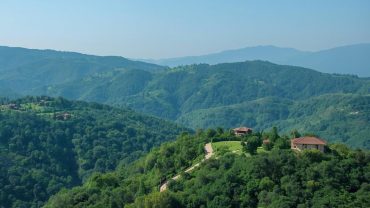
Mahabaleshwar, a serene hill station nestled in the Sahyadri mountain range of Maharashtra, is known for its breathtaking landscapes, picturesque valleys, and cool climate. However, beyond the scenic beauty lies a spiritual dimension that draws pilgrims and tourists alike: the ancient temples of Mahabaleshwar. These temples, with their rich history and sacred significance, provide a spiritual escape from the hustle of city life. Among the most revered is the Mahabaleshwar Temple, but the region is also home to other temples of immense religious importance.
In this blog, we will take you on a detailed journey through the history, architecture, and significance of the temples in and around Mahabaleshwar, particularly focusing on the Mahabaleshwar Temple, which stands as the heart of this sacred town.
1. Introduction to Mahabaleshwar’s Religious Heritage
1.1 The Spiritual Essence of Mahabaleshwar
Mahabaleshwar is not just a hill station; it is a sacred site known for its connection with Hindu mythology. The name itself is derived from Lord Shiva, “Maha” meaning great, and “Bal” meaning strength. Hence, Mahabaleshwar symbolizes “God of Great Power,” an epithet for Shiva. According to legends, the town’s religious significance stretches back centuries, with the main temple—Mahabaleshwar Temple—serving as a pilgrimage centre for devotees of Shiva.
Situated at an altitude of 1,353 meters, Mahabaleshwar’s temples offer spiritual solace amidst the tranquillity of the Western Ghats. The town’s religious landscape is deeply intertwined with the natural surroundings, making it an ideal destination for those seeking a combination of spiritual rejuvenation and nature’s beauty.
2. Mahabaleshwar Temple: The Crown Jewel of Spiritual Mahabaleshwar
2.1 Historical Overview
The Mahabaleshwar Temple, dedicated to Lord Shiva, is one of the most significant temples in the region. Its origins are traced back to the 16th century when it was built by the Chanda Rao More dynasty. However, some legends suggest that the temple’s history goes back even further, with ancient texts indicating that a shrine to Lord Shiva may have existed here as early as the Satavahana era (circa 200 BCE – 220 CE).
The temple gained prominence when the Maratha ruler Chhatrapati Shivaji Maharaj visited it in the 17th century, contributing to its renovation and making offerings to the deity. Since then, it has remained a focal point of devotion for people across Maharashtra and India.
2.2 Architectural Grandeur
The Mahabaleshwar Temple showcases the classic Hemadpanti architectural style, named after the Prime Minister Hemadpant of the Yadava dynasty, who was a pioneer of this style in the 13th century. The Hemadpanti style is characterized by the use of black stone without the use of any binding material like mortar, giving the structure an austere and timeless appearance.
The temple is built on a raised platform, with a pillared hall leading to the sanctum sanctorum (Garbhagriha), where the main deity, a “Swayambhu” (self-manifested) Shivalinga made of black stone, resides. The Shivalinga is about six feet in height, and half of it remains hidden beneath the ground, symbolizing the immense power of Lord Shiva. It is also referred to as the “Mahalinga,” and devotees believe that touching it confers blessings and protection.
One of the temple’s most captivating features is its imposing stone “Nandi,” the sacred bull and vehicle of Lord Shiva. The figure of Nandi is carved in a sitting posture and stands right at the entrance of the main shrine. In keeping with traditional temple customs, devotees often whisper their wishes into Nandi’s ear, hoping they will reach Lord Shiva.
2.3 The Legend Behind the Temple
According to local legend, Mahabaleshwar was once a place of great penance, where Lord Shiva was worshipped by many sages. It is believed that a demon named Ravana, the king of Lanka, performed a rigorous penance here to please Lord Shiva and receive his blessings. Pleased with Ravana’s devotion, Lord Shiva granted him the “Atma Linga,” a powerful object that gave the possessor eternal invincibility.
However, Lord Vishnu, realizing the danger that this power posed, tricked Ravana into placing the Atma Linga on the ground, thus rooting it permanently in Mahabaleshwar. Unable to uproot it, Ravana left, and the linga was worshipped as a manifestation of Lord Shiva’s divine presence. This legend adds to the mystique of the Mahabaleshwar Temple, making it a must-visit for devotees.
3. Panchganga Temple: A Sacred Confluence of Rivers
3.1 Mythological Importance
Just a short distance from the Mahabaleshwar Temple is the Panchganga Temple, another spiritually significant site in Mahabaleshwar. As its name suggests, the Panchganga Temple is where five rivers—Krishna, Venna, Koyna, Savitri, and Gayatri—are believed to merge. The temple is built at the source of these rivers, with the water emerging from the mouth of a cow-shaped spout known as “Gaumukh.”
The confluence of five rivers in one place is considered highly auspicious in Hinduism, and many pilgrims visit the Panchganga Temple to take a holy dip in the waters, believing that it cleanses them of sins and grants them spiritual merit.
3.2 Architectural Highlights
The Panchganga Temple was constructed in 1255 AD by Raja Singhan of the Yadava dynasty. It features traditional Indian temple architecture, with ornate carvings and a spacious courtyard. The temple’s highlight is its stone spout (Gaumukh) through which water flows continuously. This flowing water is considered sacred, and pilgrims often fill their vessels to carry the holy water back to their homes.
3.3 The Krishna Connection
One of the most important aspects of the Panchganga Temple is its connection to the Krishna River, which is one of the major rivers in India. According to legend, the goddess Krishna herself appeared at the temple to bless her devotees. It is said that the water flowing through the Gaumukh originates from a subterranean spring that is connected to all five rivers, making it a divine confluence.
4. Krishnabai Temple: Overlooking the Krishna River
4.1 A Lesser-Known Gem
The Krishnabai Temple, located near the Panchganga Temple, is a lesser-known yet equally significant site in Mahabaleshwar. It is dedicated to Goddess Krishna, the deity associated with the Krishna River. This temple is believed to be the origin point of the Krishna River itself, with a small stream flowing out of a carved cow’s mouth inside the temple.
4.2 Aesthetic and Spiritual Charm
The Krishnabai Temple stands on a hilltop, offering panoramic views of the lush valley below and the Krishna River as it meanders through the landscape. The temple itself is an ancient structure, with beautiful stone carvings, a small water tank, and a peaceful atmosphere that allows visitors to experience a sense of tranquillity.
Unlike the more crowded Mahabaleshwar and Panchganga Temples, the Krishnabai Temple is relatively secluded, making it an ideal spot for meditation and quiet reflection. The temple’s rustic beauty, coupled with its connection to the Krishna River, makes it a hidden spiritual gem in Mahabaleshwar.
5. Other Notable Temples in Mahabaleshwar
While the Mahabaleshwar, Panchganga, and Krishnabai Temples are the most prominent, there are several other temples in the region that are worth visiting for their religious significance and historical importance:
5.1 Shri Shankar Temple (Old Mahabaleshwar)
Located near the Mahabaleshwar Temple, the Shri Shankar Temple is another shrine dedicated to Lord Shiva. It is also known as the “Old Mahabaleshwar Temple” and holds significant importance in the religious landscape of the town. The temple is believed to have been built even before the main Mahabaleshwar Temple and is a popular pilgrimage site.
5.2 Kates Point Temple
Situated on the way to Arthur’s Seat, the Kates Point Temple is a small shrine dedicated to Lord Shiva. While the temple itself is modest, the location offers breathtaking views of the surrounding valleys and the Dhom Dam. It is a serene place where visitors can enjoy both nature and spirituality.
5.3 Shri Bhavani Temple
Dedicated to Goddess Bhavani, this temple is another sacred site in Mahabaleshwar. The temple is visited by devotees who seek the blessings of the goddess, who is believed to be a protector and grantor of boons.
6. The Spiritual Experience: Festivals and Rituals
6.1 Major Festivals at Mahabaleshwar’s Temples
The temples in Mahabaleshwar are vibrant centres of activity during religious festivals, which attract devotees from across India. The most important festival celebrated here is Maha Shivaratri, which honours Lord Shiva. On this day, thousands of devotees visit the Mahabaleshwar Temple to offer prayers and participate in special rituals.
Another major festival celebrated at the Panchganga and Krishnabai Temples is Krishna Janmashtami, marking the birth
of Lord Krishna. The temples are beautifully decorated, and devotees offer milk, flowers, and sweets to the deity.
6.2 Rituals and Offerings
Daily rituals at the Mahabaleshwar Temple include the “Abhishekam” (ceremonial bathing of the deity), where water, milk, and honey are poured over the Shivalinga as a form of devotion. Devotees also offer Bilva leaves, a sacred offering for Lord Shiva, believed to have a purifying effect.
At the Panchganga Temple, devotees perform “Snana” (holy bathing) by taking a dip in the water emerging from the Gaumukh, symbolizing the purification of the soul.
7. Conclusion: The Timeless Spirituality of Mahabaleshwar’s Temples
Mahabaleshwar is much more than a picturesque hill station. Its temples, steeped in mythology and history, offer a spiritual experience that connects visitors with the divine. Whether it’s the ancient Mahabaleshwar Temple, the sacred confluence at Panchganga, or the peaceful ambience of the Krishnabai Temple, each shrine has a unique story to tell and a powerful energy to share.
Visiting Mahabaleshwar’s temples is not just a journey through architectural wonders but also a pilgrimage into the heart of devotion and faith. These sacred spaces provide a perfect balance of spiritual enrichment and natural beauty, making Mahabaleshwar a must-visit destination for those seeking both inner peace and a connection with the divine.


Comment (0)