
Honey farming—also known as apiculture—has quietly grown into one of Mahabaleshwar’s most fascinating agricultural identities, standing proudly alongside its globally loved strawberry and berry farming traditions. While Travelers often visit the hill station for its lush valleys, pleasant climate, villas, luxury hotel stays, and beautiful viewpoints, they usually overlook the buzzing world of honey cultivation that plays a vital role in the region’s ecological balance and rural livelihood.
This comprehensive article explores Mahabaleshwar’s thriving honey farming ecosystem—its history, techniques, species, benefits, challenges, and future potential. It also integrates deeper insights valuable for digital creators, travel bloggers, hotel owners, and tourists planning trips and bookings. The tone remains informative, and the article includes tables, lists, FAQs, references, and detailed explanations across all sections.

Understanding Mahabaleshwar’s Unique Ecosystem for Honey Farming
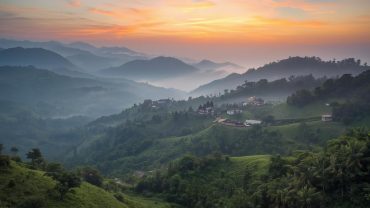
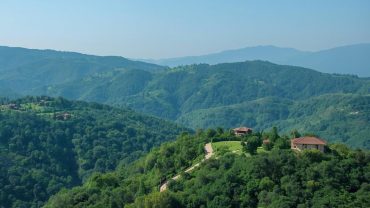
Mahabaleshwar, located in the Western Ghats of Maharashtra, boasts a landscape defined by dense forests, thriving berry farms, cool weather, and biodiversity. These natural attributes create the perfect conditions for beekeeping:
- Abundant Flora: Strawberry farms, mulberry bushes, wildflowers, and forest plants offer rich nectar.
- Cool Climate: Ideal for maintaining hive productivity and bee health.
- Low Pollution Levels: Clean air results in purer honey.
- Stable Tourism Economy: Ensures steady demand for locally produced honey.
Honey farming complements berry farming extremely well since honey bees pollinate strawberry flowers, resulting in higher fruit size, better shape, and increased yield.
History of Honey Farming in Mahabaleshwar
Mahabaleshwar has a rich history tied to agriculture and plantation activity. Honey farming began decades ago when local farmers recognized the potential of the Western Ghats’ natural vegetation.
Key Phases in Development of Honey Farming
| Time Period | Developments in Honey Farming | Impact on Region |
| Early 1900s | Traditional honey extraction from wild hives | Small-scale consumption; not commercial |
| 1950–1980 | Introduction of box-based beekeeping | Increased yield & awareness |
| 1990s | Parallel growth of strawberry and berry farming | High pollination demand; honey farming expanded |
| 2000s–Present | Tourism-boom supports local honey businesses | Branded honey products enter markets |
Farmers realized that strawberries, raspberries, and mulberries benefited greatly from bee-pollination. As hotels, villas, and homestays began promoting “Farm to Table Experiences,” honey became a popular local souvenir.
Why Honey Farming is Thriving in Mahabaleshwar
1. High Nectar Availability
Mahabaleshwar’s valleys are filled with:
- Strawberry blossoms
- Mulberry flowers
- Jamun trees
- Mango orchards
- Wild medicinal herbs
These contribute to the production of flavor-rich, aromatic honey varieties.
2. Tourism-Driven Market Demand
Travelers prefer:
- Farm-fresh honey
- Organic products
- Village tours
- Farm stays and villa experiences
Hotels often include honey-tasting sessions, and shops near Venna Lake, Mapro Garden, and market areas sell locally produced honey.
3. Ideal Climate
Temperatures remain mild year-round, reducing bee stress and improving honey production.
4. Support from Local Farming Communities
Berry farmers and honey farmers work symbiotically:
- Honey bees increase berry yield
- Berry flowers provide nectar for honey production
Types of Honey Produced in Mahabaleshwar
Mahabaleshwar’s honey is popular because of its purity and diverse botanical sources. Depending on the season and flowering cycles, farmers extract multiple honey varieties.

Common Honey Types
| Honey Type | Description | Primary Source |
| Strawberry Blossom Honey | Light, fragrant, fruity flavor | Strawberry farms |
| Wild Forest Honey | Darker, rich, medicinal taste | Forest flowers & herbs |
| Multiflora Honey | Blend of berries, wildflowers | Mixed farm & forest nectar |
| Jamun Honey | Slightly bitter, diabetic-friendly | Jamun trees |
| Mango Blossom Honey | Sweet, floral | Mango orchards |
These flavors attract tourists and hotels alike. Travelers often take honey jars as souvenirs during trips and bookings.
How Honey Farming Works: Step-by-Step Process
Honey farming is a specialized agricultural practice requiring knowledge, patience, and climate understanding.
1. Selecting Bee Species
The most commonly used bee species in Mahabaleshwar are:
- Apis cerana indica (Indian honey bee) – best for local flora
- Apis mellifera (European bee) – high yield
- Rock bees (Apis dorsata) – wild, not used for farm beekeeping
2. Setting Up the Apiary
Farmers choose areas:
- Away from heavy human activity
- Near berry farms
- Close to water sources
- Protected from wild animals
3. Providing Bee Boxes
Bee boxes include:
- Brood chamber
- Frames
- Inner & outer cover
- Queen excluder
4. Colony Management
Farmers ensure:
- Queen health
- Pest control
- Food supply during off-season
- Seasonal migration for nectar availability
5. Harvesting the Honey
The process includes:
- Removing frames
- Uncapping the honey cells
- Spinning frames in extractors
- Filtering raw honey
- Packaging
6. Quality Testing
Pure honey from Mahabaleshwar:
- Does not crystallize quickly
- Has no additives
- Retains natural enzymes
Economic Importance of Honey Farming in Mahabaleshwar
Honey farming supports the livelihood of hundreds of families in Panchgani, Mahabaleshwar, and surrounding villages.
Benefits to the Local Economy
- Supports local farmers
- Creates employment for rural youth
- Enhances berry farming productivity
- Boosts sales for shops and local vendors
- Increases tourist attraction
Average Earnings Breakdown for Honey Farmers
| Category | Earnings Range per Hive per Season |
| Honey Production | ₹2,000 – ₹6,000 |
| Wax, Pollen, Royal Jelly | ₹1,000 – ₹2,000 |
| Pollination Services | ₹1,500 – ₹4,000 |
Farmers with 50–100 hives can earn ₹2.5 lakhs to ₹6 lakhs per year depending on market demand.
Best Places in Mahabaleshwar to Experience Honey Farming
Travelers booking hotels or villas can explore:
- Local Honey Farms near Bhilar, Metgutad, and Panchgani
- Farm Tours offered by eco-resorts
- Strawberry Farms where bees help pollinate
- Mapro Garden Merchants that sell local honey
- Shops near the Main Market
Many hotels also include:
- Honey tasting
- Organic farm walks
- Beekeeping demonstrations
Role of Honey Farming in Berry Agriculture
Honey bees increase strawberry productivity through pollination:
Impact of Bees on Strawberry Yield
| Pollination Method | Average Yield | Quality Improvement |
| With Bees | Higher fruit count | Larger, more uniform berries |
| Without Bees | Poor fruit set | Smaller, deformed berries |
Thus, berry farming and honey farming are mutually dependent industries.
Environmental Importance
Honey farming supports the ecology of Mahabaleshwar:
- Increases biodiversity
- Prevents extinction of bee species
- Ensures forest regeneration
- Supports wildlife food chain
The Western Ghats are a UNESCO World Heritage Site, and bees help preserve this ecosystem.
Challenges in Honey Farming
Despite its growth, honey farming faces issues:
- Climate Fluctuation
Unpredictable rains reduce flower availability. - Pesticide Exposure
Some berry farms use chemicals that harm bees. - Predators
Honey badgers, hornets, and ants can destroy colonies. - Market Competition
Fake honey in the market affects the pricing of real honey.
How Honey Farming Enhances Tourism in Mahabaleshwar
Modern Travelers seek:
- Authentic experiences
- Village tours
- Farm visits
- Eco-friendly travel
Honey farming adds value through:
- Farmers’ workshops
- Photography sessions
- Educational programs
- Souvenir sales
Hotels and villas now include honey-tasting counters, attracting guests and increasing bookings.
List of Benefits of Buying Mahabaleshwar Honey
- Pure and chemical-free
- Rich in antioxidants
- Unique floral flavors
- Helps local farmers
- Boosts immunity
- Perfect travel souvenir
Conclusion
Honey farming in Mahabaleshwar is much more than a rural livelihood—it’s a crucial part of the region’s ecological, agricultural, and tourism identity. Supported by the area’s natural biodiversity, berry farms, hotel-driven tourism, and the charm of hill-station life, apiculture continues to grow as a sustainable and profitable practice.
For Travelers planning trips, honey farms offer memorable experiences and authentic insights into nature’s delicate balance. For farmers, honey bees are indispensable partners enhancing their berry farming productivity. And for Mahabaleshwar itself, honey farming symbolizes harmony between humans, nature, and thriving tourism.
FAQs
1. What makes Mahabaleshwar honey unique?
Its rich biodiversity, wild flora, and berry blossoms create a naturally sweet and aromatic honey.
2. Can tourists visit honey farms in Mahabaleshwar?
Yes, several farms offer guided tours, tasting sessions, and educational experiences.
3. Which honey type is most popular in Mahabaleshwar?
Strawberry blossom honey and wild forest honey are the best-selling varieties.
4. How does honey farming help berry farming?
Honey bees improve pollination, leading to larger and better-quality strawberries.
5. Where can I buy authentic honey in Mahabaleshwar?
Local farms, Mapro Garden, small shops, and markets near Venna Lake.
References & Useful Links
- National Bee Board of India – https://nbb.gov.in
- Western Ghats Ecology Data – https://westernghatsindia.org
- Officials Booking Website – https://gomahabaleshwar.com
- Maharashtra Agriculture Department – https://mahaagri.gov.in

Comment (0)