

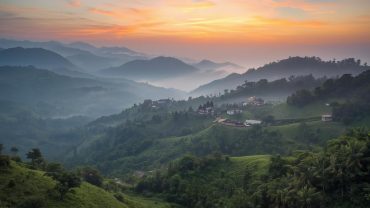
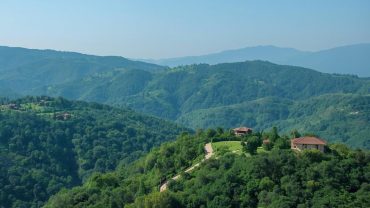
Nestled in the lush green hills of the Western Ghats, Mahabaleshwar stands as one of India’s most pristine eco-tourism destinations. Known for its breathtaking viewpoints, misty forests, and iconic strawberry farms, it is much more than a hill station — it’s a living classroom for young learners. In recent years, a remarkable trend has emerged: schools and colleges organize eco-tours in Mahabaleshwar forests to help students experience the harmony between nature, sustainability, and human life.
These educational trips are not just field outings — they are transformative experiences that teach environmental awareness, ecological balance, and the importance of sustainable farming.
Why Mahabaleshwar? The Ideal Eco-Tour Destination
Mahabaleshwar, located in Maharashtra’s Satara district, is celebrated for its evergreen forests, rich biodiversity, and tranquil climate. It’s home to the Western Ghats, one of the world’s eight “hottest hotspots” for biological diversity.
For schools and colleges seeking eco-tour destinations, Mahabaleshwar offers a rare combination of education, adventure, and ecology. The forests are a living lab, filled with endemic species, natural water springs, and centuries-old farming traditions.
Key reasons why educational institutions choose Mahabaleshwar:
- Diverse Ecosystem: Tropical evergreen forests rich in flora and fauna.
- Accessibility: Located around 120 km from Pune and 250 km from Mumbai.
- Safety and Accommodation: Excellent range of hotels, eco-lodges, and villas for students and faculty.
- Agricultural Exposure: Strawberry and berry farming visits for hands-on learning.
- Adventure and Research Opportunities: Nature trails, forest treks, and biodiversity observation programs.
Eco-Tours: Merging Education and Exploration
Eco-tours in Mahabaleshwar combine learning with sustainability. Schools and colleges design these trips to engage students in practical environmental education — blending lectures, fieldwork, and cultural interactions.
Objectives of Educational Eco-Tours:
- Environmental Awareness: Teaching the importance of conserving biodiversity.
- Field Research: Collecting soil, water, and plant data for classroom analysis.
- Sustainable Tourism Practices: Learning how tourism can support conservation.
- Cultural Understanding: Engaging with local farmers and villagers.
- Personal Growth: Enhancing teamwork, leadership, and respect for nature.
These tours often involve local NGOs and eco-guides who specialize in biodiversity conservation, ensuring that students not only observe but also contribute to the ecosystem’s protection.
Accommodation and Bookings for Eco-Tours
A well-planned eco-tour requires thoughtful accommodation and safe travel arrangements. Mahabaleshwar offers everything from budget hotels to eco-friendly villas, ensuring comfort while maintaining environmental ethics.
| Accommodation Type | Description | Best For |
| Eco-Lodges | Built with sustainable materials and renewable energy. | School groups focused on nature immersion. |
| Hotels | Offer basic amenities, safety, and group discounts. | Large school or college groups. |
| Private Villas | Ideal for smaller college batches or staff retreats. | Intimate groups seeking comfort and quiet. |
Most institutions prefer pre-arranged hotel bookings with trusted eco-tour operators. The best travel season is from October to March, when the weather is pleasant and farming activity is in full swing.
Hands-On Learning: Visiting Strawberry and Berry Farms
One of Mahabaleshwar’s major attractions is its strawberry and berry farming industry, which accounts for over 85% of India’s strawberry production. For students of agriculture, environmental science, or even business, these farms offer invaluable insights.
What Students Learn During Farm Visits:
- The science behind strawberry cultivation in hilly terrains.
- Organic farming methods and eco-friendly pest control.
- The role of climate and soil in berry production.
- How local farmers manage tourism and crop sustainability.
- The economics of farm-to-table practices.
| Berry Type | Harvest Season | Educational Aspect |
| Strawberries | December – March | Study of temperate crop adaptation |
| Raspberries | January – April | Soil nutrient management |
| Mulberries | February – May | Organic pest management |
| Gooseberries | Year-round | Value-added products and marketing |
These farm visits often conclude with tasting sessions and interactive Q&A with farmers, creating a direct link between agriculture and education.
Engaging Students in Environmental Projects
Many eco-tours encourage students to participate in small-scale research or conservation projects. These activities are designed to be interactive, measurable, and impactful.
Sample Student Projects:
- Tree Identification Surveys: Documenting plant species in the forest.
- Soil Testing Workshops: Measuring soil pH and fertility.
- Plastic-Free Campus Challenge: Reducing waste during trips.
- Stream Water Quality Testing: Learning hydrology through samples.
- Forest Clean-Up Drives: Promoting responsibility for the environment.
Students return from these tours not just with memories but with data, experience, and a mindset for sustainability — lessons that textbooks alone can’t provide.
The Role of Hotels and Local Businesses
The eco-tourism movement has also boosted Mahabaleshwar’s hospitality sector. Local hotels, villas, and travel agencies are adapting to serve educational groups responsibly.
How Businesses Contribute:
- Offering eco-friendly accommodation with solar power and waste recycling.
- Partnering with schools for safe and affordable group bookings.
- Providing guided nature trails and eco-workshops.
- Encouraging local produce use in meals to support farmers.
This collaboration between education and tourism strengthens the region’s economy while ensuring environmental preservation.
Impact on Local Farming Communities
Eco-tours bring more than just visitors — they bring awareness and support to local farmers. Students learn the challenges of sustainable farming, while farmers gain recognition and income through agro-tourism.
Benefits to Local Communities:
- Farmers receive additional revenue from farm visits.
- Knowledge exchange improves farming techniques.
- Youth awareness fosters future support for eco-friendly agriculture.
- Rural tourism creates employment and reduces migration.
This symbiotic relationship ensures that both education and economy thrive sustainably.
Challenges of Organizing Eco-Tours
While the concept is inspiring, organizing eco-tours isn’t without hurdles.
Common Challenges:
- Logistics and safety: Managing large student groups in forests.
- Weather changes: Monsoon seasons can limit outdoor activity.
- Waste management: Preventing litter and pollution during trips.
- Balancing tourism and conservation: Avoiding overuse of natural spaces.
Educational institutions and local authorities must work together to create responsible frameworks that ensure learning without harming nature.
Future of Eco-Tours in Mahabaleshwar
The growing interest among schools and colleges in organizing eco-tours signifies a broader shift toward experiential and sustainable education. Future programs are likely to incorporate:
- Digital tracking of flora and fauna.
- Eco-certification for student participants.
- Collaboration with universities for environmental research.
- Integration of AI and drone mapping for ecological monitoring.
As climate awareness becomes part of global education, Mahabaleshwar will continue to evolve as a hub for green learning and eco-tourism.
Educational Benefits of Eco-Tours
The purpose of organizing such eco-tours goes far beyond sightseeing. They provide multidimensional learning opportunities that blend environmental education, social studies, and personal growth.
Here’s how students benefit on multiple levels:
| Learning Aspect | Skill or Awareness Gained | Real-World Impact |
| Environmental Science | Understanding ecosystems and biodiversity | Promotes scientific curiosity |
| Geography | Studying topography, rivers, and climate zones | Builds spatial understanding |
| Social Awareness | Interacting with local farmers and villagers | Encourages cultural empathy |
| Leadership | Team building during treks and conservation work | Improves responsibility and collaboration |
| Sustainability | Learning waste management and organic farming | Promotes eco-conscious habits |
These tours bring textbooks to life, transforming theoretical lessons into firsthand experiences that leave lasting impressions.
The Connection Between Eco-Tourism and Farming
Eco-tours often highlight Mahabaleshwar’s unique farming culture, especially berry farming and organic vegetable cultivation. Students gain insight into how agriculture can thrive alongside tourism without degrading the environment.
Insights from Berry Farming Visits:
- Strawberry cultivation follows drip irrigation to conserve water.
- Organic fertilizers and composting reduce soil degradation.
- Farmers engage in agro-tourism, hosting visitors for educational tours.
- Small workshops teach students about crop rotation and climate adaptation.
Interesting Fact:
Mahabaleshwar’s strawberry farming began during the British era and has evolved into a community-wide eco-friendly business model, exporting berries across India and beyond.
Eco-Tourism’s Contribution to Local Economy
Eco-tours bring in educational travelers who contribute directly to the local economy. While traditional tourism relies on leisure spending, eco-tours generate income through learning-based travel.
| Economic Sector | Impact of Eco-Tourism | Long-Term Benefit |
| Hospitality | Increased hotel and villa bookings | Promotes year-round tourism |
| Agriculture | Farm visit income and direct produce sales | Encourages sustainable agriculture |
| Transport | Use of local guides and vehicles | Creates rural employment |
| Handicrafts | Souvenir sales and cultural exchange | Revives traditional art forms |
This cycle of growth ensures that Mahabaleshwar remains both economically vibrant and environmentally responsible.
A Glimpse into a Student’s Day During an Eco-Tour
To understand the immersive nature of such tours, here’s a look at what a typical student’s day looks like in Mahabaleshwar during an eco-learning trip:
Morning
- Wake up amidst misty hills in a quiet eco-hotel.
- Attend a short briefing about the day’s objectives.
- Embark on a guided forest trek led by local eco-experts.
Afternoon
- Picnic lunch at a scenic spot overlooking Venna Lake.
- Participate in a group activity — such as tree identification or soil testing.
- Visit a nearby strawberry farm to learn about climate-friendly cultivation.
Evening
- Return to the hotel or villa for rest.
- Conduct a reflection session discussing daily learning outcomes.
- Enjoy cultural programs featuring local folk performances.
By integrating education, exploration, and culture, these eco-tours create a memorable holistic learning environment.
Top Eco-Tour Spots in and Around Mahabaleshwar
If you’re planning a school or college eco-tour, these are some of the top educationally rich locations to include:
- Tapola Forest Reserve – Known as “Mini Kashmir,” perfect for water ecology studies.
- Venna Lake – Ideal for hydrology and pollution-awareness workshops.
- Lingmala Waterfall Trail – For biodiversity observations.
- Mapro Gardens – For insights into food processing and berry farming.
- Pratapgad Fort – A blend of history, ecology, and geography.
- Kate’s Point & Elephant Head Point – Geological formations and landscape studies.
- Local Tribal Villages – Cultural sustainability and indigenous knowledge.
Eco-Tour Safety and Management Tips
Safety is a crucial factor when schools and colleges organize eco-tours in Mahabaleshwar forests.
Here are key management guidelines institutions follow:
- Always travel with certified eco-guides and local experts.
- Carry first-aid kits and ensure adequate adult supervision.
- Use eco-friendly transport whenever possible.
- Avoid loud noises and littering in forest zones.
- Stay only in registered eco-hotels or villas.
- Encourage digital documentation instead of printed materials to reduce paper waste.
These best practices ensure that students learn responsibly without disturbing the natural environment.
The Future Vision: Integrating Eco-Tours with Academic Curricula
Many progressive schools are now embedding eco-tours as part of formal curricula. Instead of being an optional activity, they’re becoming mandatory educational components under environmental science and geography subjects.
How Academic Integration Works:
- Pre-tour lessons on environmental theory.
- On-site data collection during the tour.
- Post-tour analysis and report writing.
- Evaluation of eco-awareness as part of grades.
This approach bridges the gap between the classroom and the natural world, reinforcing long-term environmental values
Challenges and Solutions for the Future
While eco-tours have immense benefits, continuous management is necessary to sustain their impact.
Challenges
- Risk of over-tourism in peak months.
- Poor waste management in popular trails.
- Lack of awareness among first-time visitors.
- Seasonal constraints during heavy monsoons.
Solutions
- Promote off-season eco-tours (April–June, September).
- Implement strict waste segregation policies.
- Offer training for local guides on eco-education.
- Encourage student-led sustainability projects post-tour.
By addressing these challenges, Mahabaleshwar can continue to lead as a model eco-tourism destination for educational institutions.
Conclusion
As more schools and colleges organize eco-tours in Mahabaleshwar forests, the town is evolving into a center of green learning, sustainable tourism, and youth empowerment. These tours are planting the seeds of environmental responsibility in young hearts while uplifting local communities and supporting the region’s eco-economy.
From walking through the dense forests to interacting with local farmers, students gain invaluable lessons in ecology, teamwork, and respect for the earth. Mahabaleshwar’s natural beauty, complemented by eco-conscious hotels, organized trips, and responsible travelers, continues to inspire a generation to live in harmony with nature.
In a world grappling with climate change and ecological crises, such experiences are not just desirable — they are essential. And Mahabaleshwar, with its rich biodiversity and community-driven sustainability, stands proudly at the forefront of this movement.
Frequently Asked Questions (FAQs)
1. Why do schools and colleges organize eco-tours in Mahabaleshwar forests?
Educational institutions choose Mahabaleshwar for its biodiversity, safe environment, and accessibility. These tours help students learn about ecology, sustainability, and local farming practices in a hands-on way.
2. What are the best months for organizing eco-tours in Mahabaleshwar?
The ideal season is October to March, when the weather is pleasant and strawberry farms are active.
3. Are there eco-friendly hotels available for students and teachers?
Yes, Mahabaleshwar offers a range of eco-lodges, villas, and sustainable hotels that cater to educational groups with responsible amenities.
4. What types of educational activities can be included in an eco-tour?
Activities include forest treks, biodiversity studies, farm visits, water conservation projects, and workshops on sustainable tourism.
5. How do eco-tours support the local community?
They generate income for local farmers, hotels, and artisans while promoting environmental awareness and cultural preservation.
References and Links
- Maharashtra Tourism Development Corporation (MTDC): https://www.maharashtratourism.gov.in
- Eco-Tourism Policy, Government of Maharashtra – Forest Department
- Mapro Farms Official Site: https://www.mapro.com
- The Strawberry Growers Association of India
- Official Booking Website : www.gomahabaleshwar.com

Comment (0)