
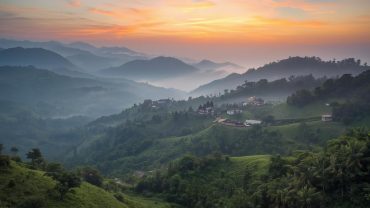
Mahabaleshwar, one of Maharashtra’s most celebrated hill stations, has long been admired for its misty valleys, evergreen forests, cascading waterfalls, and fertile plateaus that support thriving strawberry and berry farming. Situated in the Western Ghats—a UNESCO World Heritage biodiversity hotspot—Mahabaleshwar is not just a tourist destination but an ecologically sensitive landscape that demands careful stewardship.
Over the years, increasing tourist footfall, rapid hotel construction, unplanned villas, excessive vehicle traffic, and pressure on natural resources have raised concerns about environmental degradation. This has brought Sustainable Tourism in Mahabaleshwar: Protecting the Hills into sharp focus. Sustainable tourism is no longer an option—it is a necessity for preserving Mahabaleshwar’s ecological balance while ensuring economic benefits for local communities.
This article explores how sustainable tourism can protect Mahabaleshwar’s fragile environment, support local farming and berry farming, improve hotel and booking practices, and encourage responsible trips for future generations.

Understanding Sustainable Tourism in Mahabaleshwar
Sustainable tourism refers to travel practices that minimize negative environmental impact, respect local culture, and generate long-term economic benefits. In Mahabaleshwar, this concept becomes especially important due to:
- Fragile laterite plateaus
- Dense forest cover
- High rainfall patterns
- Agricultural dependence on clean soil and water
- Wildlife corridors within the Western Ghats
Unlike mass tourism, sustainable tourism emphasizes quality over quantity, focusing on meaningful travel experiences rather than unchecked visitor numbers.
Core Principles of Sustainable Tourism Applied to Mahabaleshwar
| Principle | Meaning in Mahabaleshwar Context |
| Environmental Protection | Conserving forests, water sources, and hill slopes |
| Economic Sustainability | Supporting local hotels, homestays, and farming communities |
| Social Responsibility | Respecting local culture, traditions, and livelihoods |
| Long-Term Planning | Limiting overconstruction of villas and resorts |
| Visitor Awareness | Educating travelers about eco-friendly trips |
Why Mahabaleshwar Needs Sustainable Tourism Urgently
Mahabaleshwar receives millions of tourists annually, especially during summer and monsoon seasons. While tourism supports livelihoods, uncontrolled growth has led to multiple challenges.
Key Environmental Challenges Facing Mahabaleshwar
- Deforestation for hotels and villas
- Soil erosion on slopes and plateaus
- Water scarcity during peak tourist months
- Plastic waste accumulation at viewpoints
- Disturbance to wildlife habitats
- Pressure on strawberry and berry farming land
Without sustainable tourism strategies, Mahabaleshwar risks losing the very natural beauty that attracts travelers.
Impact of Tourism on Mahabaleshwar’s Hills and Ecosystem
1. Pressure on Forests and Biodiversity
Mahabaleshwar’s forests are home to diverse flora and fauna, including endemic plant species. Unregulated trekking, road widening, and construction activities disrupt wildlife movement and reduce forest cover.
2. Water Resource Depletion
Tourist-heavy hotels and villas often consume more water than local villages. Overuse of groundwater threatens both residents and farming activities, particularly berry farming, which depends on consistent water supply.
3. Waste Management Issues
Improper waste disposal leads to plastic pollution in valleys, rivers, and forest trails. This affects soil quality and contaminates water sources used for agriculture.
Sustainable Hotels and Eco-Friendly Accommodation in Mahabaleshwar
Hotels play a crucial role in shaping sustainable tourism in Mahabaleshwar. Eco-conscious hotels focus on reducing environmental impact while offering comfortable stays.
Features of Sustainable Hotels in Mahabaleshwar
| Sustainable Practice | Description |
| Rainwater Harvesting | Collecting monsoon rainfall for year-round use |
| Solar Energy | Reducing dependence on fossil fuels |
| Waste Segregation | Composting organic waste and recycling plastics |
| Local Employment | Hiring local staff and guides |
| Water-Efficient Systems | Low-flow taps and reuse of greywater |
Eco-friendly villas and homestays often integrate with the landscape, avoiding hill cutting and excessive concrete use.
Responsible Bookings and Travel Planning
Sustainable tourism begins even before travelers arrive in Mahabaleshwar. Responsible bookings help regulate tourism pressure.
Tips for Sustainable Bookings in Mahabaleshwar
- Choose eco-certified hotels or homestays
- Avoid illegal or unregistered villas
- Book off-season trips to reduce overcrowding
- Support properties that source food locally
- Prefer longer stays over short, high-impact visits
Responsible bookings ensure tourism income flows into environmentally responsible businesses.
Sustainable Trips: How Travelers Can Make a Difference
Every traveler plays a role in protecting Mahabaleshwar’s hills. Sustainable trips are about mindful choices.
Responsible Travel Practices
- Avoid littering at viewpoints and waterfalls
- Carry reusable water bottles
- Stick to designated trekking paths
- Respect wildlife and avoid loud music
- Support local guides and vendors
Even small actions collectively contribute to large-scale environmental protection.
Role of Local Farming in Sustainable Tourism
Agriculture is the backbone of Mahabaleshwar’s economy, especially strawberry and berry farming. Sustainable tourism directly supports farming communities by promoting farm-based experiences.
Connection Between Tourism and Farming
| Tourism Activity | Benefit to Farming Community |
| Farm Visits | Additional income for farmers |
| Local Produce Sales | Better prices for strawberries and berries |
| Agro-Tourism | Diversified livelihood opportunities |
| Organic Farming Promotion | Reduced chemical usage |
Tourists who visit farms gain insight into rural life while supporting sustainable agricultural practices.
Strawberry and Berry Farming: A Sustainable Identity of Mahabaleshwar
Mahabaleshwar is often called the Strawberry Capital of India. Berry farming here thrives due to cool climate, rich soil, and abundant rainfall.
Importance of Berry Farming in Sustainable Tourism
- Encourages eco-friendly farming methods
- Prevents land conversion into concrete developments
- Attracts agro-tourism travelers
- Promotes seasonal tourism rather than year-round pressure
Farmers adopting organic and water-efficient practices align perfectly with sustainable tourism goals.
Government and Local Initiatives Supporting Sustainability
Local authorities and environmental groups have initiated several measures to promote sustainable tourism in Mahabaleshwar.
Key Initiatives
- Plastic ban enforcement
- Regulation of hotel construction
- Promotion of eco-tourism zones
- Awareness campaigns for tourists
- Support for organic berry farming
These efforts require cooperation from travelers, hoteliers, and local communities.
Sustainable Villas vs Conventional Villas
Not all villas impact the environment equally. Sustainable villas are designed with minimal ecological footprint.
| Aspect | Sustainable Villas | Conventional Villas |
| Construction | Eco-sensitive design | Hill cutting |
| Energy Use | Solar and natural lighting | High electricity use |
| Water Management | Rainwater harvesting | Groundwater dependence |
| Waste | Composting | Landfill disposal |
Encouraging sustainable villas helps preserve hill stability and forest cover.

Economic Benefits of Sustainable Tourism in Mahabaleshwar
Sustainable tourism ensures long-term economic stability rather than short-term profits.
Long-Term Benefits
- Stable income for local hotels and farmers
- Reduced environmental repair costs
- Increased global appeal for eco-tourists
- Better quality of life for residents
By protecting the hills, Mahabaleshwar secures its tourism future.
Challenges in Implementing Sustainable Tourism
Despite awareness, several obstacles remain:
- Lack of strict enforcement
- Illegal constructions
- Tourist unawareness
- Higher initial costs for eco-hotels
Addressing these challenges requires policy support and behavioral change.
The Future of Sustainable Tourism in Mahabaleshwar
The future lies in balanced development—where tourism growth does not come at the cost of nature. Digital platforms, responsible booking systems, eco-certifications, and traveler education will shape Mahabaleshwar’s sustainable journey.
Conclusion
Sustainable Tourism in Mahabaleshwar: Protecting the Hills is not just a concept—it is a collective responsibility. From eco-friendly hotels and responsible bookings to mindful trips and support for local farming and berry farming, every stakeholder has a role to play. Preserving Mahabaleshwar’s hills ensures that its forests, farms, waterfalls, and viewpoints continue to inspire travelers for generations.
Sustainability is the bridge between tourism and conservation, allowing Mahabaleshwar to thrive without losing its soul.
Frequently Asked Questions (FAQs)
1. Why is sustainable tourism important in Mahabaleshwar?
Sustainable tourism helps protect forests, water resources, farming land, and biodiversity while supporting local livelihoods.
2. How can tourists support sustainable tourism in Mahabaleshwar?
By choosing eco-friendly hotels, avoiding plastic, supporting local farming, and respecting nature.
3. Are eco-friendly hotels available in Mahabaleshwar?
Yes, several hotels, homestays, and villas follow sustainable practices like solar energy and water conservation.
4. How does tourism affect strawberry and berry farming?
Uncontrolled tourism can reduce farmland, while sustainable tourism supports agro-tourism and fair prices for farmers.
5. What is the role of government in sustainable tourism?
The government regulates construction, promotes eco-tourism, enforces plastic bans, and supports organic farming initiatives.
References and Links
- Maharashtra Tourism Development Corporation (MTDC): https://www.maharashtratourism.gov.in
- UNESCO Western Ghats Information: https://whc.unesco.org
- Ministry of Tourism, Government of India: https://tourism.gov.in
- Sustainable Tourism Guidelines (UNWTO): https://www.unwto.org
- Official Booking Website: https://gomahabaleshwar.com


Comment (0)