

Mahabaleshwar, the crown jewel of Maharashtra’s hill stations, is more than just a weekend escape. It is a place where history, myth, culture, and natural beauty converge to tell a fascinating story. From its mythological roots to its colonial past, from berry farming to luxury villas and hotels, Mahabaleshwar has grown into one of India’s most beloved destinations for travelers. This article takes a deep dive into The Story of Mahabaleshwar: A Graphic History of the Hill Station, exploring every layer that makes it unique.
Origins: Mythological and Spiritual Significance
Mahabaleshwar derives its name from the Mahabaleshwar Temple, dedicated to Lord Shiva. Local legends say that the five rivers—Krishna, Venna, Koyna, Savitri, and Gayatri—emerged from the mouth of a cow-shaped spout (Gaumukhi) inside the Panchganga Temple. This gives Mahabaleshwar a spiritual aura that has attracted pilgrims for centuries.
Key Mythological Points:
- Lord Shiva is worshipped here in the form of a self-manifested lingam.
- The Panchganga temple marks the sacred origin of five rivers.
- It is believed that even the Pandavas visited Mahabaleshwar during their exile.
This spiritual legacy sets Mahabaleshwar apart from other hill stations that were developed primarily for leisure. Here, faith blends seamlessly with natural beauty.
The Colonial Chapter: Mahabaleshwar Under the British
The real transformation of Mahabaleshwar into a modern hill station began during British rule. Discovered by the British officer Sir John Malcolm in the 1820s, Mahabaleshwar quickly became the “summer capital” of the Bombay Presidency.
The British influence remains visible in the old churches, colonial bungalows, and the town’s planning. Roads such as Arthur’s Seat Road and viewpoints like Wilson Point are named after British officers. They developed Mahabaleshwar not only as a retreat but also as a strategic outpost.
Table 1: British Contributions to Mahabaleshwar
| Contribution | Description | Present-Day Legacy |
| Road Networks | Built to connect viewpoints and plantations | Still used for tourism trips |
| Strawberry Farming | Introduced by British planters | Now Mahabaleshwar’s identity |
| Villas and Bungalows | Built as summer retreats | Converted into heritage hotels and villas |
| Churches and Schools | Spread Western education and religion | Still operational and preserved |
Thus, Mahabaleshwar became a blend of Indian heritage and colonial architecture—a combination still attracting travelers worldwide.
Geography and Climate: Why Mahabaleshwar Flourishes
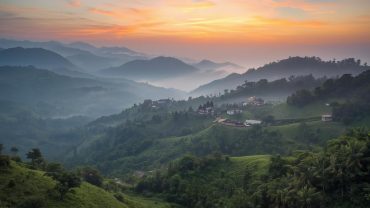
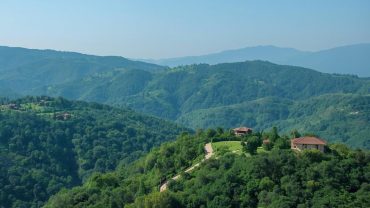
Situated at about 1,353 meters above sea level, Mahabaleshwar offers a cool, refreshing climate. Its red laterite soil and high rainfall make it perfect for farming, particularly berry farming, which is now a global identity for the hill station.
- Monsoon: Heavy rains transform the landscape into lush greenery with cascading waterfalls.
- Winter: Pleasant and cool, ideal for villas and hotel stays.
- Summer: A preferred season for travelers seeking respite from the plains.
The geographical advantages made Mahabaleshwar both a spiritual hub and a British summer retreat.
The Rise of Berry Farming: Sweet Identity of Mahabaleshwar
Mahabaleshwar is now India’s Strawberry Capital, producing over 80% of the country’s strawberries. Introduced by the British, strawberry farming thrived due to the climate and soil.
Table 2: Evolution of Berry Farming in Mahabaleshwar
| Period | Key Development | Impact |
| 19th Century | British introduced strawberries | Local farmers adopted techniques |
| 20th Century | Expansion into large-scale berry farming | Boosted agritourism |
| 21st Century | GI (Geographical Indication) tag for Mahabaleshwar Strawberries | Recognition of authenticity and quality |
Other berries such as mulberries, raspberries, and gooseberries are also cultivated. Travelers often plan trips around Strawberry Festivals, where farms open to visitors for berry picking.
Tourism Boom: Hotels, Villas, and Bookings
With farming and natural beauty came tourism. Today, Mahabaleshwar is one of the most visited hill stations in India. Travelers come for weekend trips, family vacations, honeymoons, and even corporate retreats.
Types of Accommodations in Mahabaleshwar
- Heritage Villas: Old colonial homes converted into luxury stays.
- Budget Hotels: Affordable for students and solo travelers.
- Luxury Resorts: With pools, spas, and panoramic valley views.
- Homestays: Allow visitors to experience farming life closely.
Table 3: Hotel and Villa Categories for Travelers
| Category | Features | Best Suited For |
| Budget Hotels | Basic amenities, economical | Solo travelers, students |
| Family Villas | Spacious, private, often with gardens | Families, large groups |
| Luxury Resorts | Premium services, infinity pools, spas | Honeymooners, high-end travelers |
| Farm Stays | Experience berry farming, rustic feel | Nature lovers, eco-tourists |
Bookings peak during summer and winter vacations, while monsoon season attracts a niche audience who love misty mountains and waterfalls.
Attractions: The Graphic Map of Mahabaleshwar
Mahabaleshwar is famous for its viewpoints, temples, lakes, and forests. Each attraction tells part of its graphic history.
Must-Visit Attractions
- Arthur’s Seat – Known as the “Queen of the Points,” offering panoramic valley views.
- Elephant’s Head Point – Rock formation resembling an elephant’s head.
- Venna Lake – Perfect for boating and evening walks.
- Pratap gad Fort – A historical site linked to Shivaji Maharaj.
- Mapro Garden – A hub for strawberry lovers.
- Lingmala Waterfall – Stunning during the monsoon season.
- Wilson Point – The highest point, perfect for sunrise and sunset.
These attractions make Mahabaleshwar a complete package for both adventure seekers and spiritual travelers.
Farming Beyond Berries: Expanding Agriculture
Apart from strawberries, Mahabaleshwar supports vegetable farming (cabbage, carrots, beans) and flower cultivation. Many villas and hotels even serve organic produce sourced directly from nearby farms.
Farm-based tourism is growing—travelers book farm stays to understand the life of farmers, enjoy authentic food, and participate in activities like harvesting.
The Traveler’s Experience: Why Mahabaleshwar Stands Out
Travelers often describe Mahabaleshwar as a “complete escape” because it offers:
- Historical depth (temples, forts, colonial legacies).
- Natural beauty (lakes, waterfalls, valleys).
- Food and farming (berry farming, Mapro jams, local cuisine).
- Comfortable stays (from budget hotels to luxury villas).
- Easy access (well-connected by road from Mumbai, Pune, Satara).
Challenges and Future of Mahabaleshwar
Like every tourist destination, Mahabaleshwar faces challenges:
- Over tourism: Peak season leads to overcrowding.
- Environmental Pressure: Farming, villas, and hotels add stress to the ecosystem.
- Water Shortage: Seasonal demand sometimes exceeds supply.
Future growth lies in eco-tourism, responsible farming, and digital promotion. Virtual bookings, AI-driven tourism apps, and sustainable villas are shaping the future.
Quick Facts About Mahabaleshwar
- Location: Satara District, Maharashtra.
- Elevation: 1,353 meters above sea level.
- Famous For: Strawberries, viewpoints, colonial heritage.
- Best Season: October to June.
- Known As: “Queen of the Sahyadri” and “Strawberry Capital of India.”
Conclusion
Mahabaleshwar is not just a hill station—it is a story told through myths, colonial history, farming, and modern tourism. From the sacred Panchganga Temple to strawberry fields, from colonial villas turned hotels to bustling marketplaces, Mahabaleshwar’s history is both graphic and living. For travelers, it offers more than trips; it offers experiences that mix nature, spirituality, and culture in perfect balance.
FAQs
1. Why is Mahabaleshwar called the “Strawberry Capital of India”?
Because over 80% of India’s strawberries are grown here, supported by ideal climate and soil.
2. What are the best months to visit Mahabaleshwar?
October to June is the most pleasant, though monsoons (July–September) are best for waterfalls and misty views.
3. Are there heritage hotels and villas in Mahabaleshwar?
Yes, many colonial-era bungalows have been converted into luxury villas and hotels for travelers.
4. What farming is popular apart from strawberries?
Vegetables (carrots, beans, cabbage) and flowers are widely cultivated.
5. How can travelers book hotels and villas in Mahabaleshwar?
Through online booking platforms, local travel agents, or direct websites of hotels and villas.
References and Links
- Government of Maharashtra Tourism Portal: https://www.maharashtratourism.gov.in
- Mapro Garden Official Website: https://mapro.com
- Official Tourism Site: https://gomahabaleshwar.com/
- Incredible India – Mahabaleshwar: https://www.incredibleindia.org

Comment (0)