
Introduction
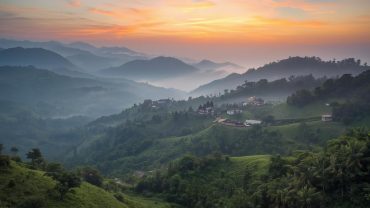
Mahabaleshwar, a beautiful hill station in Maharashtra’s Satara district, is famous for its pleasant climate, scenic valleys, lush greenery, and breathtaking viewpoints. However, beyond its tourism appeal, Mahabaleshwar has earned another prestigious identity – the Strawberry Capital of India. Today, the region produces a significant share of India’s strawberries and attracts thousands of visitors who come not only for sightseeing but also to experience strawberry farms and fresh berry products.
The journey of Mahabaleshwar from a quiet hill station to India’s strawberry hub is a fascinating story of geography, climate, innovation in farming, and tourism-driven economic growth. The combination of fertile soil, favorable weather conditions, dedicated farmers, and increasing tourist demand has transformed strawberry cultivation into one of the region’s most successful agricultural activities.
This article explores the history, farming practices, tourism impact, and economic significance of strawberries in Mahabaleshwar.

The Historical Background of Mahabaleshwar
Mahabaleshwar has a rich history dating back several centuries. During the British era, it became a popular summer retreat due to its cool climate and beautiful landscapes. The British introduced several crops and agricultural practices to the region.
Strawberry cultivation is believed to have gained momentum during the early twentieth century when farmers started experimenting with crops suitable for the cool climate. Over time, improved farming techniques and market demand helped strawberries become the most important commercial crop of the area.
Today, strawberry farming has become deeply connected with the identity of Mahabaleshwar.
Why Mahabaleshwar is Perfect for Strawberry Farming
Several natural factors contribute to the success of strawberry cultivation in Mahabaleshwar.
1. Favorable Climate
Strawberries require cool temperatures and moderate humidity. Mahabaleshwar enjoys:
- Cool winters
- Pleasant summers
- Moderate rainfall
- High-altitude environment
These conditions create an ideal environment for growing high-quality strawberries.
2. Fertile Soil
The red lateritic soil found in the region offers good drainage and nutrient availability. Strawberries thrive in well-drained soil, making Mahabaleshwar naturally suitable for berry farming.
3. Adequate Water Availability
The region receives significant rainfall during the monsoon season and has access to water resources that support irrigation during the cultivation period.
4. High Altitude
Situated at approximately 1,353 meters above sea level, Mahabaleshwar experiences temperatures that are ideal for strawberry development and fruit quality.
Growth of Strawberry Farming
Strawberry cultivation has expanded dramatically over the years.
Initially, only a few farmers cultivated strawberries. Today, thousands of farmers in Mahabaleshwar and nearby areas such as Panchgani are engaged in berry farming.
Factors contributing to growth include:
- Improved planting materials
- Drip irrigation systems
- Government support
- Growing domestic demand
- Expansion of tourism
Modern agricultural practices have increased productivity and fruit quality, allowing farmers to access larger markets.

Strawberry Farming Process
Land Preparation
Farmers prepare raised beds with organic matter to improve soil fertility and drainage.
Planting
Strawberry saplings are planted during suitable seasons to ensure optimal growth.
Irrigation
Most farms use drip irrigation, which conserves water and provides precise moisture levels.
Mulching
Plastic mulching helps control weeds, retain moisture, and protect fruits from soil contact.
Harvesting
Strawberries are harvested manually to maintain fruit quality and minimize damage.
Popular Strawberry Varieties
Several varieties are grown in the region, including:
- Sweet Charlie
- Winter Dawn
- Camarosa
- Festival
These varieties are selected based on climate adaptability, taste, shelf life, and productivity.
Tourism and Strawberry Farms
Tourism has played a major role in the success of strawberry farming.
Visitors enjoy:
- Farm visits
- Strawberry picking experiences
- Fresh fruit tasting
- Farm photography
- Local berry products
Many farms have developed agri-tourism activities that attract travelers from across India.
Strawberry Festival
One of the most popular events associated with the region is the Strawberry Festival.
The festival showcases:
- Fresh strawberries
- Strawberry-based products
- Cultural performances
- Local food
- Farm experiences
The event boosts tourism and provides marketing opportunities for farmers.
Local Products and Value Addition
Strawberries are not sold only as fresh fruits. Farmers and businesses create various value-added products such as:
- Strawberry jam
- Strawberry crush
- Syrups
- Ice cream
- Milkshakes
- Chocolates
- Desserts
These products increase profitability and create additional employment opportunities.
Economic Impact on the Region
Strawberry farming contributes significantly to the local economy.
Employment Generation
The industry creates jobs in:
- Farming
- Packaging
- Transportation
- Tourism
- Food processing
Increased Income
Compared to many traditional crops, strawberries often provide higher returns per acre.
Support for Local Businesses
Hotels, restaurants, transport services, and local shops benefit from the influx of tourists.
Challenges Faced by Farmers
Despite its success, strawberry farming faces several challenges:
- Climate change
- Unseasonal rainfall
- Rising input costs
- Labor shortages
- Market price fluctuations
Farmers continue to adopt modern techniques to overcome these challenges.
Future of Strawberry Farming in Mahabaleshwar
The future looks promising due to:
- Increasing demand
- Expansion of agri-tourism
- Better technology adoption
- Improved cold-chain infrastructure
- Growing interest in organic farming
These developments are expected to strengthen Mahabaleshwar’s position as India’s leading strawberry-producing region.
Conclusion
Mahabaleshwar’s transformation into India’s Strawberry Capital is the result of a unique combination of geography, climate, agricultural innovation, and tourism development. Strawberry farming has become more than just an agricultural activity; it is now a major driver of the local economy and a key attraction for travelers.
As demand continues to grow and farming practices become more advanced, Mahabaleshwar is likely to remain at the forefront of India’s berry industry for many years to come.
FAQs
1. Why is Mahabaleshwar called the Strawberry Capital of India?
Because it produces a large share of India’s strawberries and offers ideal climatic conditions for cultivation.
2. Which season is best to visit strawberry farms in Mahabaleshwar?
The harvesting season from December to March is generally the best time.
3. What products are made from Mahabaleshwar strawberries?
Jam, crush, syrups, chocolates, desserts, milkshakes, and ice creams.
4. How does tourism help strawberry farmers?
Tourists purchase fresh strawberries and farm products, increasing farmers’ income.
5. What makes Mahabaleshwar suitable for strawberry cultivation?
Its cool climate, fertile soil, adequate rainfall, and high-altitude environment.


Comment (0)