
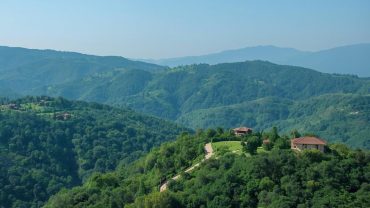
Mahabaleshwar, a picturesque hill station nestled in the Western Ghats of Maharashtra, is not just a hotspot for honeymooners and tourists; it’s also a thriving ecosystem brimming with rich biodiversity, wildlife sanctuaries, and serene nature reserves. Known for its lush greenery, mesmerizing viewpoints, strawberry farms, and pleasant climate, Mahabaleshwar attracts thousands of nature lovers every year. The region also offers diverse options for accommodation including luxury hotels, budget stays, resorts, and eco-lodges, catering to every kind of traveler. Whether you’re staying near the main market or deep within the forested zones, nature surrounds you.
In this article, we delve into the breathtaking natural world of Mahabaleshwar, exploring its wildlife, major nature reserves, the unique flora and fauna, eco-tourism initiatives, and how travelers can plan a responsible and enriching stay. With reliable Mahabaleshwar hotel booking options from websites like www.gomahabaleshwar.com, planning your next nature-infused vacation has never been easier.
Wildlife of Mahabaleshwar
Mahabaleshwar lies within the Sahyadri Hills, a UNESCO World Heritage Site recognized for its ecological significance. This region is home to rare and endangered species of animals, birds, reptiles, and butterflies.
Commonly Spotted Wildlife:
- Indian Giant Squirrel
- Leopard (in remote forested zones)
- Barking Deer
- Wild Boars
- Bonnet Macaque
- Malabar Whistling Thrush
- King Cobra
- Indian Bison (Gaur)
Many of these species thrive in the protected zones and sanctuaries that surround Mahabaleshwar. Bird watchers and photographers are especially drawn to the area due to its rich avifauna.
Major Nature Reserves and Sanctuaries
- Bhilar Wildlife Sanctuary Located close to Mahabaleshwar, this sanctuary is part of the larger Western Ghats ecosystem. It’s a quiet haven for wildlife, perfect for jungle trekking and bird watching.
- Chinaman’s Waterfall and Valley Forests While primarily a scenic spot, the forested areas around this waterfall harbor reptiles, monkeys, and numerous bird species.
- Tapola Forest Area Tapola, known as the “Mini Kashmir of the West,” is surrounded by dense forests rich in biodiversity. It is a hidden gem for nature enthusiasts and a peaceful retreat from crowded touristy places.
- Pratapgad Fort Forest Belt Around the historic fort of Pratapgad lies a forest belt that is not only historically important but also ecologically diverse. Various trails offer glimpses of butterflies, herbs, and birds unique to the region.
Eco-tourism and Conservation
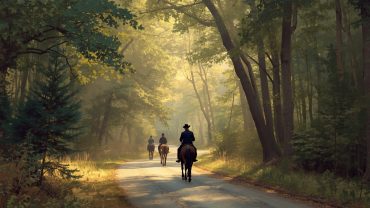
Eco-tourism in Mahabaleshwar is gaining momentum thanks to increased awareness and conservation efforts. Government initiatives and local NGOs have collaborated to promote sustainable travel while protecting the ecological balance. Tourist activities like forest walks, nature interpretation trails, and village eco-stays are now preferred alternatives to conventional sightseeing.
Best Practices for Responsible Nature Tourism:
- Do not litter in forested zones.
- Avoid loud music and disturbances to wildlife.
- Stay on marked trails to prevent habitat destruction.
- Support eco-certified local accommodations.
Flora of Mahabaleshwar
Mahabaleshwar is equally rich in plant biodiversity. Dense forests, medicinal herbs, wildflowers, and thick tree canopies paint the landscape in varying shades of green. The following are some common and significant plant species found here:
- Teak
- Mango
- Jamun (Black Plum)
- Karvi plant (flowers once every seven years)
- Bamboo
- Medicinal plants like Ashwagandha, Shatavari, and Brahmi
These forested areas also offer a stunning view during the monsoon season when the greenery becomes even more vibrant.
Unique Nature Activities in Mahabaleshwar
If you’re a nature lover, the following activities will enrich your Mahabaleshwar experience:
- Forest Camping in Tapola
- Butterfly Watching in Wilson Point
- Trekking to Arthur’s Seat via Tiger’s Path
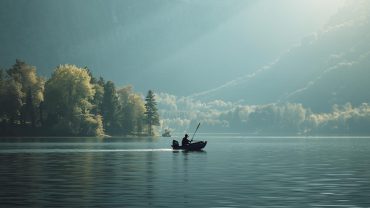
- Boat Ride in Venna Lake surrounded by green zones
- Nature Walks from Lingmala Waterfall to the forest edge
Mahabaleshwar Travel Tips
- Best Time to Visit: October to June. Monsoon season is beautiful but can be slippery for trekking.
- Clothing: Wear light clothes during the day and a light jacket for the evenings. If visiting during monsoon, carry waterproof gear.
- Connectivity: While the main market has good internet access, forest lodges may not. Plan accordingly.
- Safety: Always inform someone before trekking. Stick to known paths.
- Hotel Booking: Use trusted platforms like www.gomahabaleshwar.com to find top-rated hotels, resorts, and cottages near nature spots.
Accommodation Options for Nature Enthusiasts
- Forest Edge Eco-Lodge – Located near Tapola, offers organic food and nature walks.
- Strawberry Fields Resort – Close to the farms and forest lines, great for families.
- Hilltop Retreat – Offers panoramic views and a private forest trail.
- Budget Nature Stays – Found near Mahabaleshwar Market and Tapola Road, suitable for solo travelers.
Mahabaleshwar Hotel Booking Essentials:
- Compare packages for deals.
- Check proximity to nature trails.
- Look for stays with nature tour inclusions.
- Book early during peak seasons.
Local Emergency Numbers:
- Forest Department: +91-2168-123456
- Tourist Helpline: 1800-11-1363
- Medical Emergency: 108
- Police: 100
- Local Hotel Support: Refer to www.gomahabaleshwar.com contacts
Conclusion
Mahabaleshwar is more than just a summer retreat; it’s a sanctuary for nature and wildlife. With rich biodiversity, lush forests, and eco-tourism opportunities, it offers a rare combination of relaxation and exploration. Whether you’re a solo traveler, a family with kids, or a nature photographer, Mahabaleshwar has something unique for everyone. When planning your trip, be sure to explore sustainable stays and wildlife experiences through reliable platforms like www.gomahabaleshwar.com. Reconnect with nature, and let Mahabaleshwar’s serene wilderness rejuvenate your soul.
FAQs
- What wildlife can I see in Mahabaleshwar? You can spot Indian Giant Squirrels, deer, wild boars, bonnet macaques, and several bird species like the Malabar Whistling Thrush.
- Which is the best nature reserve near Mahabaleshwar? Bhilar Wildlife Sanctuary and Tapola forest regions are the top spots for exploring local flora and fauna.
- Are there eco-tourism stays in Mahabaleshwar? Yes, many hotels and lodges offer eco-tourism experiences like guided forest walks, organic meals, and sustainable living.
- How do I book hotels near nature reserves in Mahabaleshwar? Visit www.gomahabaleshwar.com for the best hotel booking options near nature trails and reserves.
- Is it safe to explore the forests in Mahabaleshwar? Yes, as long as you follow guidelines, stick to marked trails, and avoid night treks.
References and Links
- www.gomahabaleshwar.com
- Maharashtra Tourism Development Corporation
- Forest Department of Maharashtra
- Eco-Tourism Society of India
Wildlife & Nature Reserves in Mahabaleshwar
Mahabaleshwar, a picturesque hill station nestled in the Western Ghats of Maharashtra, is not just a hotspot for honeymooners and tourists; it’s also a thriving ecosystem brimming with rich biodiversity, wildlife sanctuaries, and serene nature reserves. Known for its lush greenery, mesmerizing viewpoints, strawberry farms, and pleasant climate, Mahabaleshwar attracts thousands of nature lovers every year. The region also offers diverse options for accommodation including luxury hotels, budget stays, resorts, and eco-lodges, catering to every kind of traveler. Whether you’re staying near the main market or deep within the forested zones, nature surrounds you.
In this article, we delve into the breathtaking natural world of Mahabaleshwar, exploring its wildlife, major nature reserves, the unique flora and fauna, eco-tourism initiatives, and how travelers can plan a responsible and enriching stay. With reliable Mahabaleshwar hotel booking options from websites like www.gomahabaleshwar.com, planning your next nature-infused vacation has never been easier.
Wildlife of Mahabaleshwar
Mahabaleshwar lies within the Sahyadri Hills, a UNESCO World Heritage Site recognized for its ecological significance. This region is home to rare and endangered species of animals, birds, reptiles, and butterflies.
Commonly Spotted Wildlife:
- Indian Giant Squirrel
- Leopard (in remote forested zones)
- Barking Deer
- Wild Boars
- Bonnet Macaque
- Malabar Whistling Thrush
- King Cobra
- Indian Bison (Gaur)
Many of these species thrive in the protected zones and sanctuaries that surround Mahabaleshwar. Bird watchers and photographers are especially drawn to the area due to its rich avifauna.
Major Nature Reserves and Sanctuaries
- Bhilar Wildlife Sanctuary Located close to Mahabaleshwar, this sanctuary is part of the larger Western Ghats ecosystem. It’s a quiet haven for wildlife, perfect for jungle trekking and bird watching.
- Chinaman’s Waterfall and Valley Forests While primarily a scenic spot, the forested areas around this waterfall harbor reptiles, monkeys, and numerous bird species.
- Tapola Forest Area Tapola, known as the “Mini Kashmir of the West,” is surrounded by dense forests rich in biodiversity. It is a hidden gem for nature enthusiasts and a peaceful retreat from crowded touristy places.
- Pratapgad Fort Forest Belt Around the historic fort of Pratapgad lies a forest belt that is not only historically important but also ecologically diverse. Various trails offer glimpses of butterflies, herbs, and birds unique to the region.
Eco-tourism and Conservation
Eco-tourism in Mahabaleshwar is gaining momentum thanks to increased awareness and conservation efforts. Government initiatives and local NGOs have collaborated to promote sustainable travel while protecting the ecological balance. Tourist activities like forest walks, nature interpretation trails, and village eco-stays are now preferred alternatives to conventional sightseeing.
Best Practices for Responsible Nature Tourism:
- Do not litter in forested zones.
- Avoid loud music and disturbances to wildlife.
- Stay on marked trails to prevent habitat destruction.
- Support eco-certified local accommodations.
Flora of Mahabaleshwar
Mahabaleshwar is equally rich in plant biodiversity. Dense forests, medicinal herbs, wildflowers, and thick tree canopies paint the landscape in varying shades of green. The following are some common and significant plant species found here:
- Teak
- Mango
- Jamun (Black Plum)
- Karvi plant (flowers once every seven years)
- Bamboo
- Medicinal plants like Ashwagandha, Shatavari, and Brahmi
These forested areas also offer a stunning view during the monsoon season when the greenery becomes even more vibrant.
Unique Nature Activities in Mahabaleshwar
If you’re a nature lover, the following activities will enrich your Mahabaleshwar experience:
- Forest Camping in Tapola
- Butterfly Watching in Wilson Point
- Trekking to Arthur’s Seat via Tiger’s Path
- Boat Ride in Venna Lake surrounded by green zones
- Nature Walks from Lingmala Waterfall to the forest edge
Mahabaleshwar Travel Tips
- Best Time to Visit: October to June. Monsoon season is beautiful but can be slippery for trekking.
- Clothing: Wear light clothes during the day and a light jacket for the evenings. If visiting during monsoon, carry waterproof gear.
- Connectivity: While the main market has good internet access, forest lodges may not. Plan accordingly.
- Safety: Always inform someone before trekking. Stick to known paths.
- Hotel Booking: Use trusted platforms like www.gomahabaleshwar.com to find top-rated hotels, resorts, and cottages near nature spots.
Accommodation Options for Nature Enthusiasts
- Forest Edge Eco-Lodge – Located near Tapola, offers organic food and nature walks.
- Strawberry Fields Resort – Close to the farms and forest lines, great for families.
- Hilltop Retreat – Offers panoramic views and a private forest trail.
- Budget Nature Stays – Found near Mahabaleshwar Market and Tapola Road, suitable for solo travelers.
Mahabaleshwar Hotel Booking Essentials:
- Compare packages for deals.
- Check proximity to nature trails.
- Look for stays with nature tour inclusions.
- Book early during peak seasons.
Local Emergency Numbers:
- Forest Department: +91-2168-123456
- Tourist Helpline: 1800-11-1363
- Medical Emergency: 108
- Police: 100
- Local Hotel Support: Refer to www.gomahabaleshwar.com contacts
Conclusion
Mahabaleshwar is more than just a summer retreat; it’s a sanctuary for nature and wildlife. With rich biodiversity, lush forests, and eco-tourism opportunities, it offers a rare combination of relaxation and exploration. Whether you’re a solo traveler, a family with kids, or a nature photographer, Mahabaleshwar has something unique for everyone. When planning your trip, be sure to explore sustainable stays and wildlife experiences through reliable platforms like www.gomahabaleshwar.com. Reconnect with nature, and let Mahabaleshwar’s serene wilderness rejuvenate your soul.
FAQs
- What wildlife can I see in Mahabaleshwar? You can spot Indian Giant Squirrels, deer, wild boars, bonnet macaques, and several bird species like the Malabar Whistling Thrush.
- Which is the best nature reserve near Mahabaleshwar? Bhilar Wildlife Sanctuary and Tapola forest regions are the top spots for exploring local flora and fauna.
- Are there eco-tourism stays in Mahabaleshwar? Yes, many hotels and lodges offer eco-tourism experiences like guided forest walks, organic meals, and sustainable living.
- How do I book hotels near nature reserves in Mahabaleshwar? Visit www.gomahabaleshwar.com for the best hotel booking options near nature trails and reserves.
- Is it safe to explore the forests in Mahabaleshwar? Yes, as long as you follow guidelines, stick to marked trails, and avoid night treks.
References and Links
- www.gomahabaleshwar.com
- Maharashtra Tourism Development Corporation
- Forest Department of Maharashtra
- Eco-Tourism Society of India
Comment (0)